

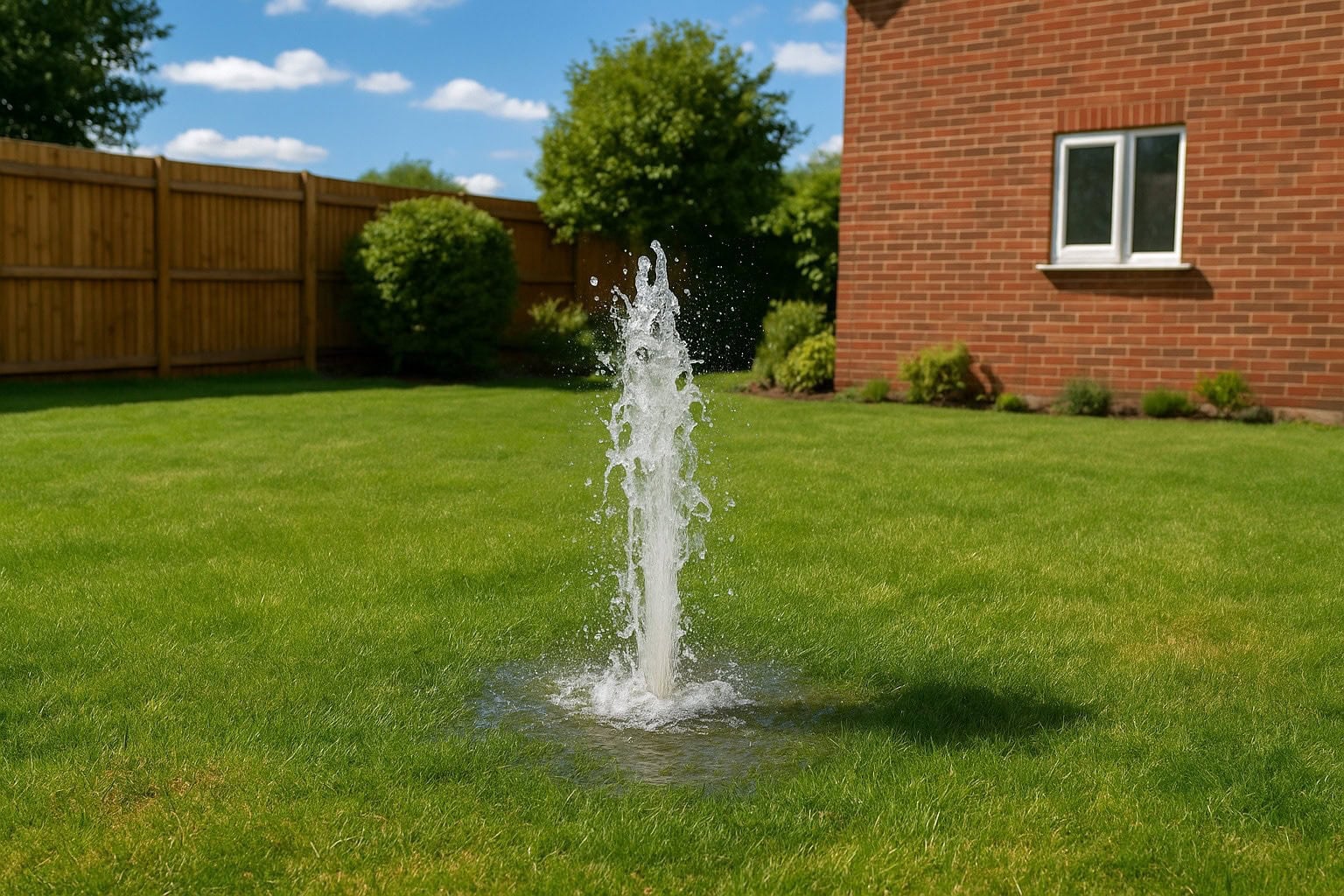
Underground water leaks can be some of the most damaging and difficult plumbing issues to detect. Because the leak is out of sight, it can continue unnoticed for weeks or even months, causing costly water bills, structural damage, and disruption to your home or garden. Knowing how we find underground leaks is essential for homeowners, landlords, and businesses who want to avoid expensive repairs and protect their property.
In this guide, we’ll cover the signs of an underground water leak, the methods professionals use to detect them, and what steps you should take if you suspect one.
Why Underground Water Leaks Are a Problem
Unlike visible leaks from taps or radiators, underground leaks are often hidden beneath soil, driveways, or concrete. This means they can:
- Waste thousands of litres of water
- Increase your water bills significantly
- Cause subsidence or structural damage to foundations
- Lead to damp patches in gardens, lawns, or driveways
- Damage utilities if not addressed quickly
Because of these risks, early leak detection is crucial.
Common Signs of an Underground Water Leak
There are several signs that can indicate you have a hidden underground water leak:
- Unexpectedly high water bills – If your usage hasn’t changed but bills have risen, this could point to a leak.
- Wet patches or sinkholes in the garden – Persistent soggy areas, even during dry weather, suggest water escaping below ground.
- Low water pressure – A leak in your mains supply pipe can reduce the flow to taps and showers.
- Sound of running water – Hearing water when taps and appliances are switched off is often a key indicator.
- Cracks in driveways or patios – Excess moisture from a leak can cause surfaces to shift or crack.
- Visible water pooling – In severe cases, water may seep up to the surface.
If you notice one or more of these symptoms, it’s worth investigating further.
How to Detect Underground Water Leaks
Detecting an underground leak is not easy without the right tools, but there are several methods – both for DIY checks and professional detection.
1. DIY Checks
While you may not be able to pinpoint the leak yourself, there are a few checks you can do:
- Check your water meter:
- Turn off all taps and appliances that use water.
- Note the meter reading.
- Leave it for 1–2 hours without using any water.
- If the reading has changed, it indicates water is escaping somewhere.
- Inspect your property:
- Look for unusually damp patches in lawns, flowerbeds, or driveways.
- Check whether your water pressure has dropped.
2. Professional Leak Detection Methods
Professional engineers use advanced, non-invasive technology to detect underground leaks accurately:
- Acoustic Listening Devices – Highly sensitive microphones are used to listen for the sound of water escaping underground pipes.
- Tracer Gas Detection – A safe, inert gas is pumped through the pipework, and sensors are used to detect where it escapes to the surface.
- Thermal Imaging Cameras – Can identify temperature differences in the ground caused by escaping water.
- Correlation Technology – Pinpoints the exact location of a leak using sensors placed along the pipe.
These methods allow professionals to locate leaks without unnecessary digging or disruption.
What to Do If You Suspect an Underground Leak
If you think you have a leak beneath your property:
- Turn off your water supply at the stopcock if necessary.
- Perform the water meter test to confirm continuous usage.
- Avoid unnecessary digging, which may cause further damage.
- Contact a professional leak detection service to locate and fix the problem quickly.
⚠️ Important: If you suspect a gas leak rather than a water leak, call the National Gas Emergency line immediately on 0800 111 999 – do not attempt to investigate it yourself.
The Benefits of Professional Underground Leak Detection
Hiring a professional service ensures:
- Pinpoint accuracy – Detects the exact location of the leak.
- Minimal disruption – Non-invasive techniques reduce the need for digging.
- Cost savings – Prevents further water damage and inflated bills.
- Fast results – Engineers can often locate the problem within hours.
- Peace of mind – Professional advice ensures long-term solutions.
Areas Most at Risk
Underground leaks are more common in areas with:
- Older pipework that has corroded over time
- Tree roots intruding into underground pipes
- High ground movement or soil changes
- Poorly installed mains supply lines
If your property falls into one of these categories, regular checks are especially important.
Frequently Asked Questions (FAQs)
1. How can I tell if I have an underground water leak?
The most common signs include unusually high water bills, damp or soggy patches in your garden, reduced water pressure, and the sound of running water when no taps are on.
2. Can I detect an underground leak myself?
You can carry out simple checks such as monitoring your water meter to see if it changes when all water is turned off. However, pinpointing the exact location usually requires specialist equipment.
3. What technology is used to find underground leaks?
Professional leak detection engineers use non-invasive methods such as tracer gases, acoustic listening devices, correlation technology, and thermal imaging cameras.
4. Will detecting an underground leak damage my property?
No. Modern leak detection uses non-invasive technology, meaning leaks can be found without unnecessary digging or damage to your property.
5. How much does underground leak detection cost in the UK?
Prices vary depending on the property and the complexity of the leak. While there is an upfront cost, professional detection prevents far more expensive repairs caused by long-term water damage.
6. Who is responsible for underground leaks?
If the leak is within your property boundary (for example, in your supply pipe), it is usually your responsibility. If it is outside the boundary, your local water supplier is responsible.
7. How quickly can an underground leak be fixed?
Most leaks can be identified within a few hours. Repairs depend on the severity and location of the leak, but professional services aim to keep disruption to a minimum.
Final Thoughts
Knowing how to detect underground water leaks can save you thousands of pounds in repairs and prevent long-term structural damage. While basic checks like monitoring your water meter can help confirm a problem, the most reliable and accurate way to locate an underground leak is through professional leak detection.
If you notice rising bills, damp patches in your garden, or reduced water pressure, don’t ignore it. Early intervention is the key to protecting your property.