

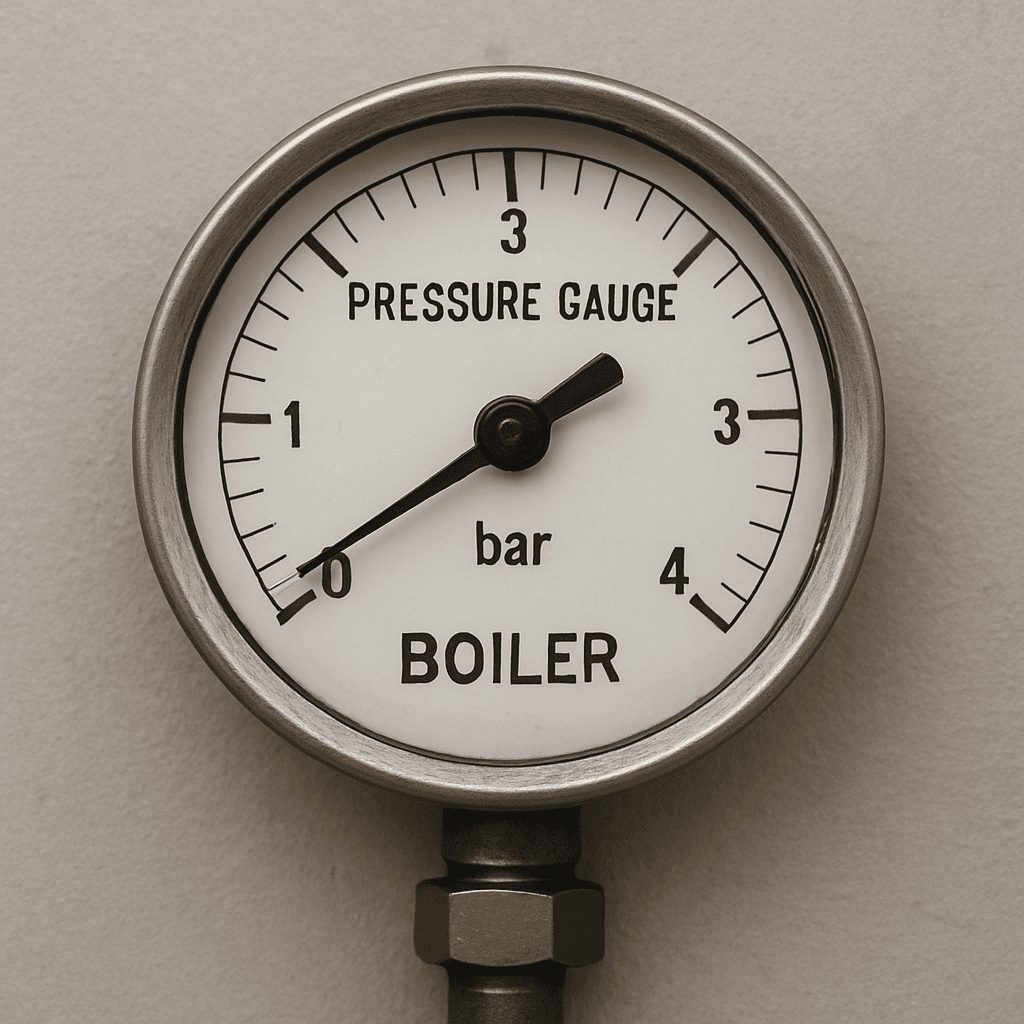
Finding a central heating leak is not about looking for visible water. Most leaks develop within pipework beneath floors or inside walls, meaning they cannot be identified by inspection alone.
If your system is losing pressure, the priority is not guesswork. The system needs to be tested in a controlled way to confirm exactly where water is escaping and why.
At The Leak Hunter, we follow a structured, non-invasive process to diagnose and locate central heating leaks accurately, without unnecessary disruption to your home.
If the cause is not obvious, our Central Heating Leak Detection service is designed to identify the source precisely before any repair work begins.
Why Central Heating Leaks Require Proper Testing
Central heating systems are sealed and pressurised. Pipework is typically concealed beneath floors, within walls, or embedded in solid construction.
When a leak develops, water does not always appear on the surface. It is often absorbed or dispersed, meaning there are no obvious visual clues.
Most central heating leaks cannot be found accurately without specialist testing.
Step 1: Understanding System Behaviour
We begin by assessing how the system is behaving.
This includes how quickly pressure drops, whether the issue occurs when the heating is running or off, and how different parts of the system are performing.
This allows us to determine whether the issue is likely to be a leak or a component fault before any physical testing begins.
Step 2: Confirming Water Loss
We then confirm whether the system is actually losing water.
Controlled pressure testing and system isolation are used to separate sections of the heating circuit. This allows us to identify where pressure loss is occurring without lifting floors or opening walls unnecessarily.
At this stage, we are confirming the problem, not guessing where it might be.
Step 3: Locating the Leak Precisely
Once water loss is confirmed, we use specialist detection methods to locate the exact source.
This may include thermal imaging, acoustic detection, tracer gas testing, and moisture analysis. Each method is selected based on the system and property.
In many cases, multiple techniques are combined to build a clear and accurate picture of the leak location.
The aim is always to identify the precise point of failure before any access is made.
Step 4: Targeted Access and Repair
Once the leak is located, we move directly to a controlled repair.
Because the exact location is confirmed first, only the necessary area is accessed. This avoids unnecessary damage and reduces the overall repair work required.
This is where accurate detection makes the difference between targeted repair and unnecessary disruption.
Why Non-Invasive Detection Matters
Without proper detection, locating a heating leak often involves lifting floors or opening walls in multiple areas to search for the problem.
By identifying the leak first, disruption is kept to a minimum and the repair can be carried out efficiently.
This ensures the problem is resolved properly without unnecessary damage to your property.
A Controlled, Accurate Process
Central heating leak detection is not trial and error. It is a structured process designed to confirm the cause and locate the issue accurately.
At The Leak Hunter, we take full control of this process from diagnosis through to repair, ensuring the problem is identified and resolved correctly the first time.


