

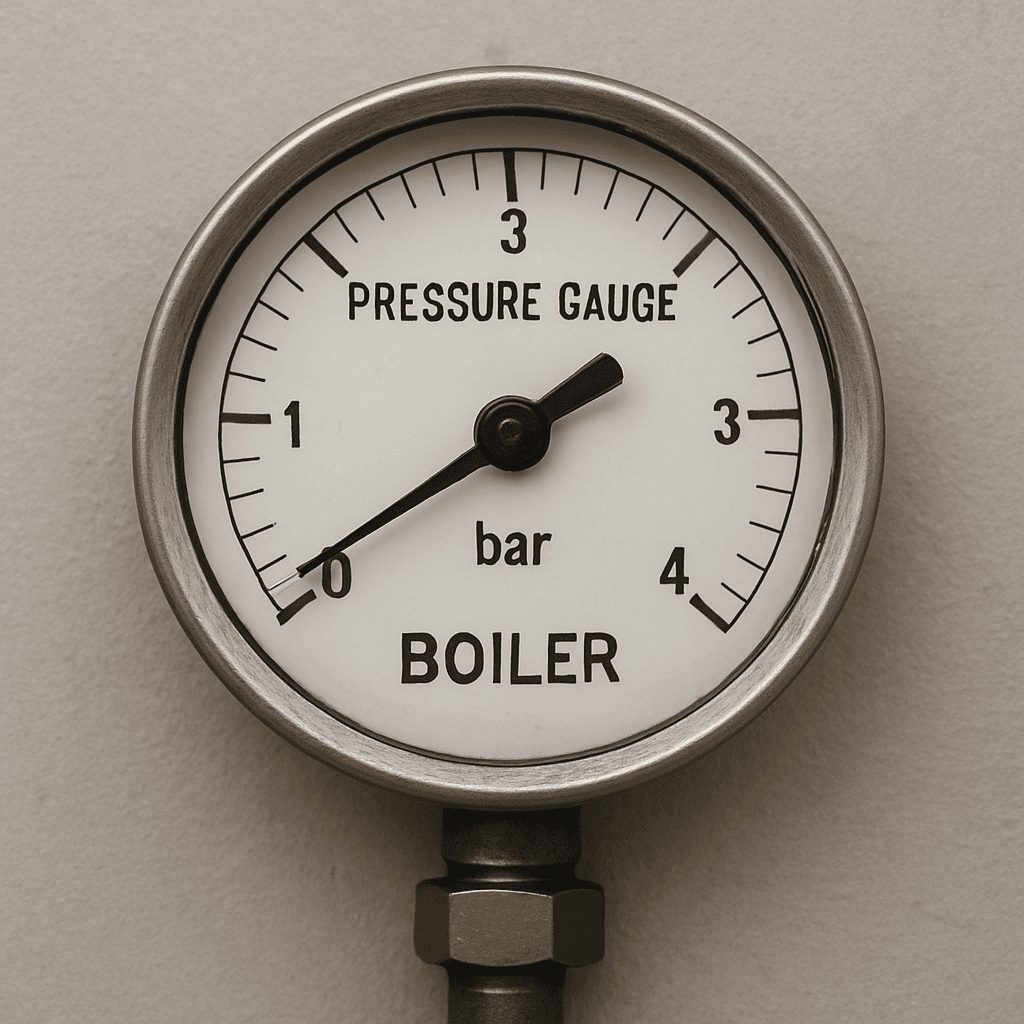
Central heating leaks can occur in several parts of the system, but in most homes, the problem is not visible. Pipework is hidden, connections are enclosed, and leaks often develop without obvious signs.
If your system is losing pressure and no leak can be seen, the issue is usually within pipework, radiator connections, valves, or underfloor heating circuits.
Most central heating leaks occur in hidden pipework, radiator connections, valves, or underfloor heating circuits.
At The Leak Hunter, we confirm exactly where the system is losing water before any repair work begins. This allows us to locate the leak accurately and avoid unnecessary disruption.
If the cause is not obvious, our Central Heating Leak Detection service is designed to identify the precise location of leaks within your system.
Leaks in Hidden Pipework
The most common location for central heating leaks is hidden pipework.
Pipes run beneath floors, within joists, inside walls, and through solid construction. When a leak develops in these areas, water is usually absorbed or dispersed rather than appearing clearly on the surface.
Most central heating leaks occur in pipework that cannot be seen.
This is why pressure loss is often the only clear indicator that a leak exists.
Leaks at Radiators and Connections
Leaks can also occur at radiators, particularly at the connection points where the radiator meets the pipework.
These leaks are often small and can go unnoticed if water tracks beneath flooring or evaporates quickly.
In many cases, repeated pressure loss or localised dampness is the first sign that a radiator connection is involved.
Leaks at Valves and Fittings
Valves and fittings are another common source of leaks within a heating system.
This includes radiator valves, lockshield valves, and compression joints that are under constant system pressure.
Even a small failure at one of these points can result in ongoing pressure loss.
Leaks in Underfloor Heating Systems
Underfloor heating leaks are fully concealed beneath the floor surface.
Pipework is typically embedded within screed or installed beneath finished flooring, meaning leaks cannot be located without specialist testing.
These leaks require accurate location before any floor area is accessed.
Leaks Within Solid Floors
Where pipework runs through concrete or solid floor construction, leaks remain completely hidden.
Water disperses into the surrounding structure, making it difficult to detect without proper testing.
In these situations, the exact location must be confirmed before any floor is opened.
Why Leak Location Cannot Be Assumed
Pressure loss confirms that the system is not holding water correctly, but it does not indicate where the leak is.
A leak may be in pipework, at a radiator connection, within a valve assembly, or inside underfloor heating circuits. Symptoms do not always appear at the point of failure.
Without proper testing, the location of a central heating leak cannot be confirmed.
Confirming the Exact Location
To locate the leak accurately, the system must be tested in a controlled way.
At The Leak Hunter, we use non-invasive methods to identify leaks in pipework, radiators, valves, and underfloor heating systems without unnecessary damage.
Learn more here: how we find central heating leaks without damage.
Locating the Leak Before Repair
Central heating leaks can occur in multiple parts of the system, but the correct approach is always the same.
The location must be confirmed first, then the repair can be carried out in a targeted way.
At The Leak Hunter, we take full control of this process, ensuring the leak is identified accurately and resolved properly with minimal disruption.


