

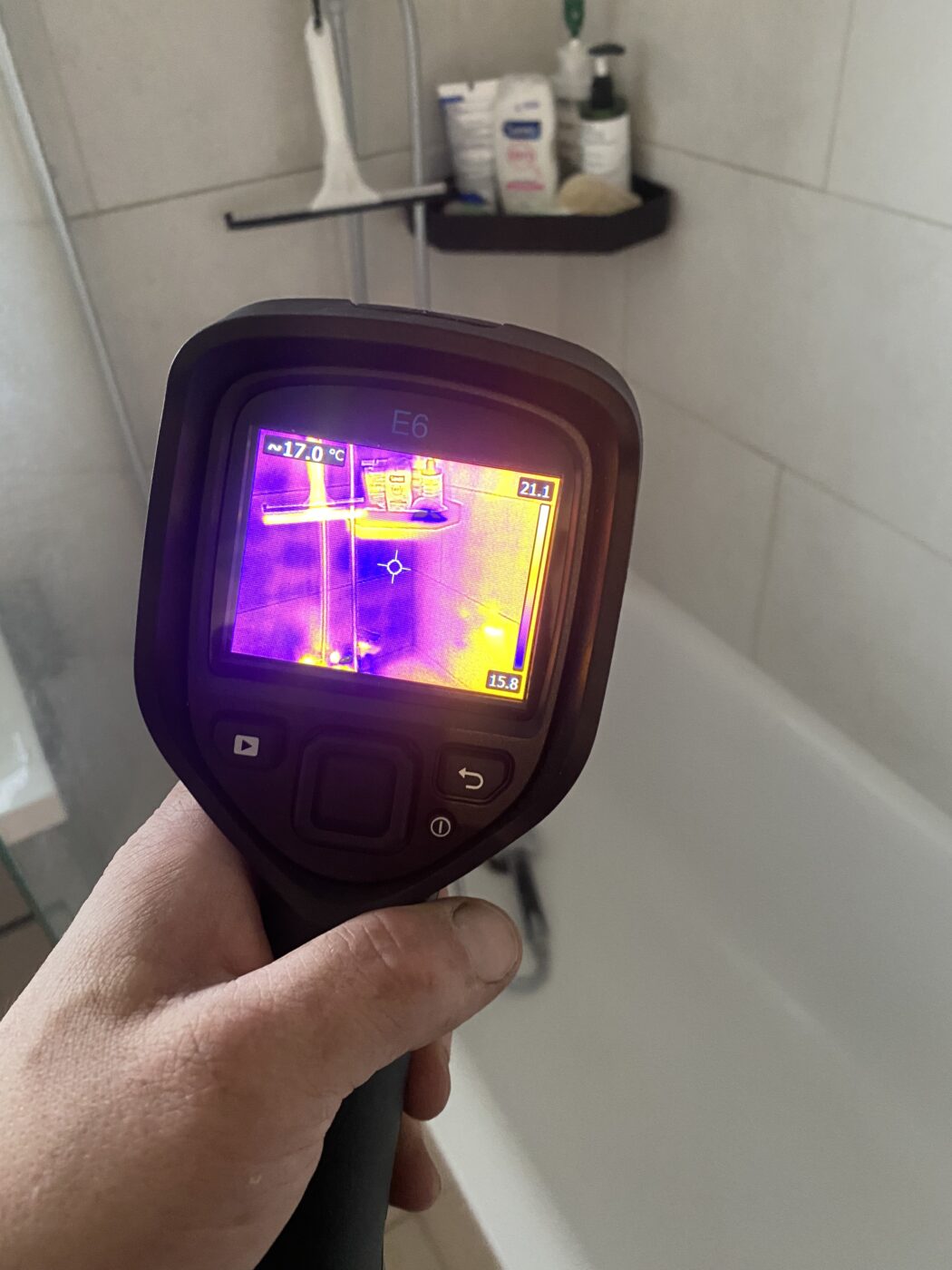
If you think you might have a water leak, one of the first questions is whether you should stop using water altogether. In many cases, the answer isn’t obvious — especially when there’s no visible damage.
Some situations can wait. Others shouldn’t.
Why this decision matters
Continuing to use water when there’s an active leak can increase pressure in the system and allow more water to escape. This can make the problem worse without you realising it.
At the same time, stopping all water use can be disruptive, so it needs to be based on the situation rather than guesswork.
When you should stop using water immediately
There are clear signs where stopping water use is the safest option:
- Water is actively appearing or pooling
- Damp patches are spreading quickly
- You can hear water running when nothing is on
- The issue is getting worse during use
In these cases, continued use can increase damage.
When you may not need to stop completely
If the signs are subtle and not worsening with use, you may not need to shut everything off immediately. However, the issue still needs to be investigated.
Common examples include:
- Very minor or intermittent symptoms
- No visible damage or spread
- No clear link between usage and the issue
Even in these situations, waiting too long can allow the problem to develop.
Why guessing can lead to the wrong decision
Without knowing where the leak is or how it behaves, it’s difficult to decide whether to stop using water or continue as normal.
This is where many homeowners either overreact or underestimate the situation.
What the correct next step is
The safest approach is to confirm whether a leak is present and how it behaves under use.
This removes uncertainty and allows you to make the right decision based on evidence.
This is where How We Find Water Leaks becomes essential.
It allows the issue to be assessed accurately without unnecessary disruption.
What happens once the situation is understood
Once the source and behaviour of the leak are confirmed, you can make informed decisions about water use and repair. In many cases, targeted action prevents the need for major disruption.
You can read more about this stage in What Happens After a Water Leak Is Found.
How The Leak Hunter can help
The Leak Hunter helps homeowners understand whether a leak is active, how it behaves, and what the safest next step is. By identifying the issue properly, we remove uncertainty and help prevent unnecessary damage.
Learn more about our service here: Water Leak Detection.
Frequently asked questions
Should I turn my water off straight away?
It depends on the situation. If the issue worsens with use or water is actively escaping, it’s best to stop using water immediately.
Can continuing to use water make things worse?
Yes. Increased pressure can allow more water to escape, causing further damage.
Do you only cover my area?
If you’re outside these areas, don’t worry — our team covers most of the South East, providing trusted leak detection services throughout London, Kent, Sussex, and Surrey.
If you’re unsure whether to keep using water, the key is understanding the situation properly. That’s what allows you to act confidently and prevent the problem from getting worse.
Find out more about Water Leak Detection.