

If your Systemate system used to run reliably but now feels inconsistent — sometimes working well, other times not — it’s usually a sign that something within the system has changed.
You might notice hot water varying in performance or heating not responding as expected. These changes often develop gradually, making them easy to overlook at first.
Why This Change in Behaviour Matters
A Systemate system is designed to operate with stable water levels and consistent circulation. When that stability is lost, performance becomes unpredictable.
If the system feels unreliable, it usually means the internal balance is being disrupted rather than a single component failing outright.
What’s Likely Happening Inside the System
When water is lost from the heating system, even gradually, it affects how the system performs overall.
What typically happens is:
Circulation becomes inconsistent
Heat transfer becomes less stable
Performance varies from one use to the next
This often happens without visible signs, particularly where pipework is concealed.
The system may still function, but not with the same consistency as before. You can learn more about these early warning signs on our signs of a central heating leak page.
What Homeowners Often Assume
It’s common to think the issue lies within the Systemate unit itself. While that can happen, inconsistent performance is often linked to the wider heating system.
Another assumption is that systems naturally become unreliable over time. In reality, noticeable changes in behaviour usually indicate something has shifted internally.
How to Read the Pattern
Instead of focusing on individual faults, look at how the system behaves overall.
Ask yourself:
Does performance vary from day to day?
Has the system become less predictable over time?
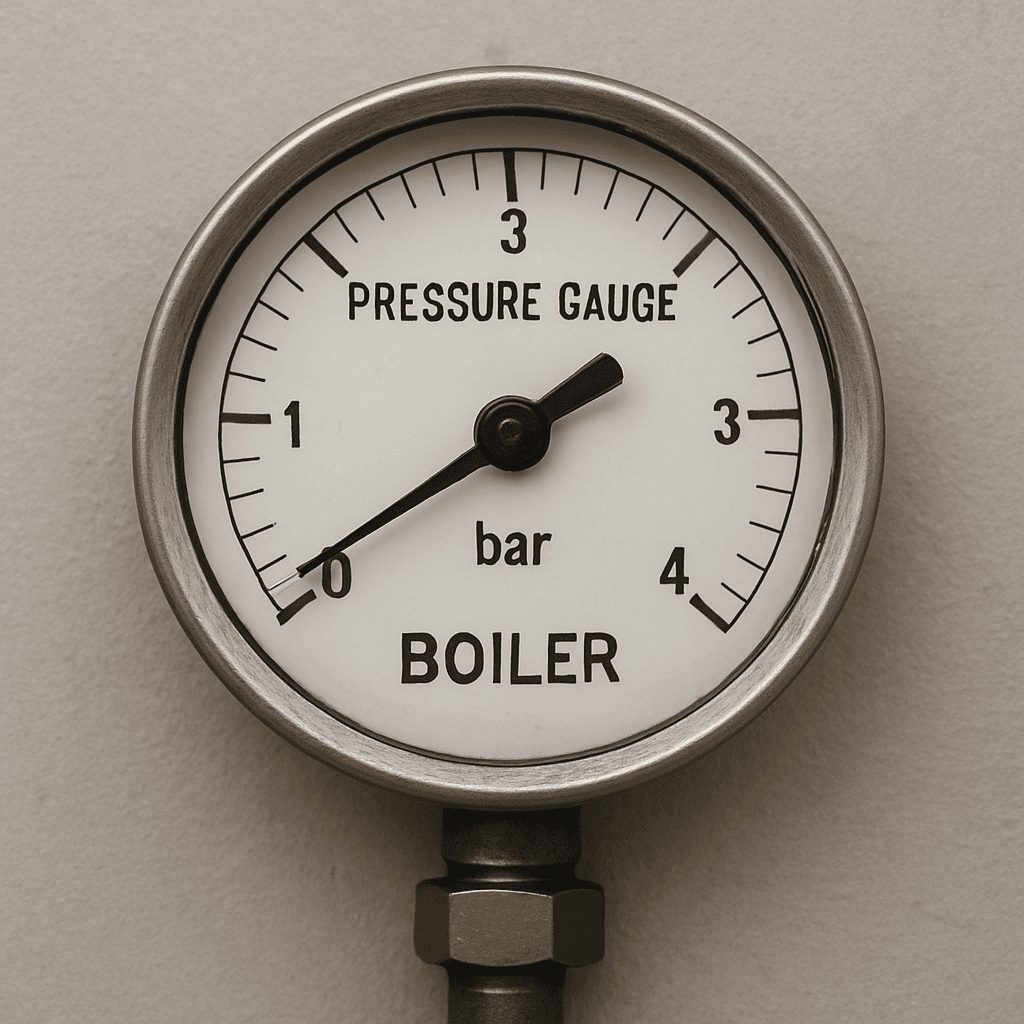
Are there any signs of air in radiators or pressure changes?
These patterns often point to water loss affecting system stability.
What to Do Next
If your Systemate system has become unreliable, the focus should be on understanding why the system is no longer stable.
In most cases, the next step is to confirm whether water is being lost and identify where it is happening.
You can read more about the investigation process on our how we find central heating leaks page, or view the full service on our Central Heating Leak Detection page.
FAQ
Why is my Systemate system unreliable?
This is often due to changes in system balance, such as reduced water volume or inconsistent circulation.
Does this mean the unit is faulty?
Not necessarily. The issue is often within the wider heating system rather than the unit itself.
Could this be caused by a leak?
Yes. Water loss can affect how consistently the system performs.
Should I ignore it if it still works sometimes?
No. Inconsistent performance is often an early sign of a developing issue.
Do you only cover my area?
If you’re outside these areas, don’t worry — our team covers most of the South East, providing trusted leak detection services throughout London, Kent, Sussex, and Surrey.
Final Thoughts
If your Systemate system no longer feels reliable, it’s not just normal variation — it’s a pattern.
Recognising that early helps you identify what’s changed within the system and restore consistent performance.