

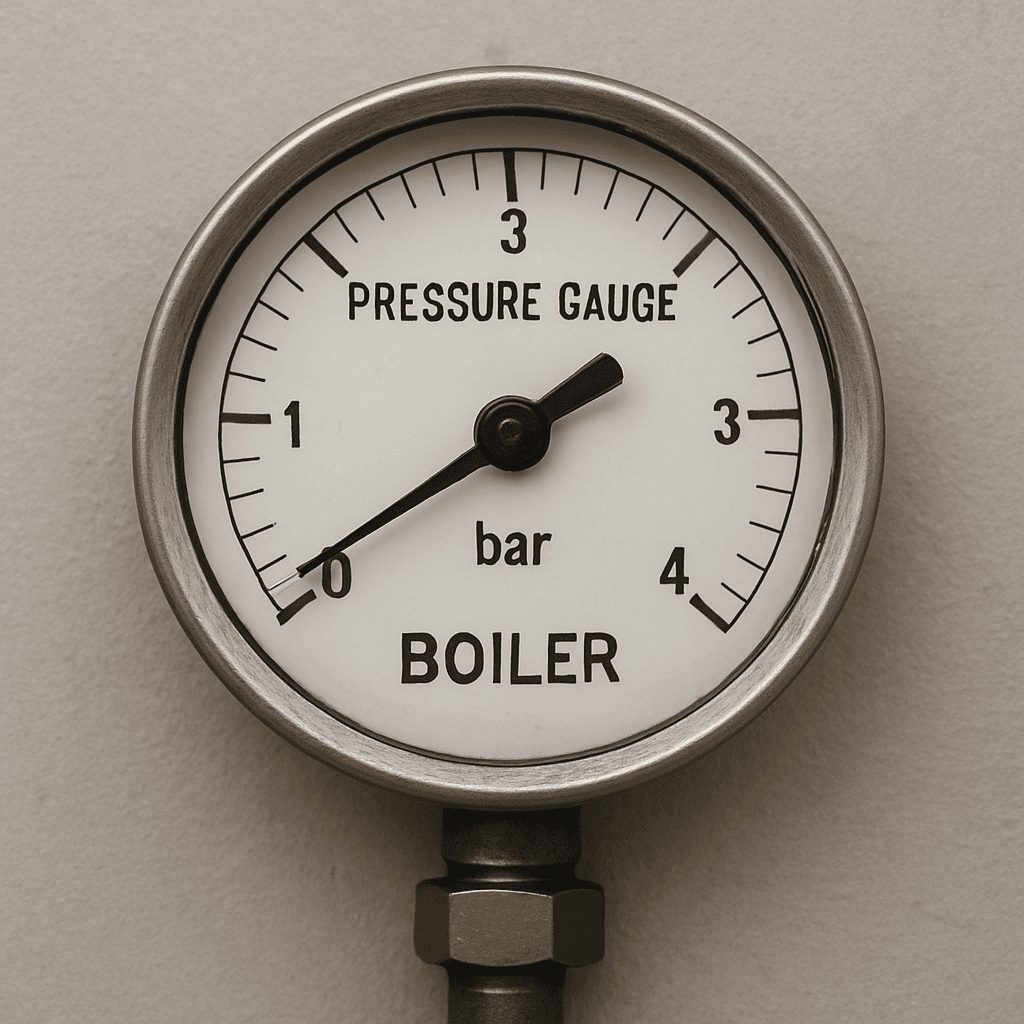
When only part of the house is being heated, everything feels fine. The system responds well, rooms warm up, and nothing seems out of place.
But as soon as you try to heat the whole house — all radiators on, full demand — something changes. The system feels weaker, slower, or less consistent.
That shift under full load is usually the key clue.
Why Full Demand Reveals Issues
A central heating system should be able to handle full demand without a noticeable drop in performance.
When everything is calling for heat, the system should distribute water evenly and maintain consistent output.
If it struggles at that point, it usually means the system cannot maintain proper circulation under load.
What This Usually Points To
When heating works under light demand but struggles under full demand, it often indicates an underlying imbalance.
This is commonly linked to gradual water loss.
When that happens:
The system performs well when demand is low
Circulation becomes insufficient when demand increases
Heat distribution becomes uneven across the system
This creates the pattern of “partial use = fine, full use = struggle.”
You can explore where these issues typically occur on our where central heating leaks occur page.
Why It’s Often Misdiagnosed
It’s easy to assume the system is undersized or that certain radiators need adjusting.
While those can sometimes be factors, a clear change in behaviour under load usually points to something affecting the whole system.
This is especially true if the system used to handle full demand without issue.
How to Recognise the Pattern
The key is to compare how the system behaves under different levels of demand.
Ask yourself:
Does the system feel fine when only part of the house is heated?
Does it struggle when everything is on?
Has this change developed over time?
These patterns often suggest that the system cannot maintain balance under full load.
You can learn more about early warning signs on our signs of a central heating leak page.
What to Do Next
If your heating system struggles when trying to heat the whole house, the focus should be on understanding why it cannot maintain consistent performance under full demand.
The next step is to confirm whether water is being lost and identify where it is happening. You can read more about the process on our how we find central heating leaks page.
For a full overview of the service, visit Central Heating Leak Detection.
FAQ
Why does my heating struggle when all radiators are on?
This is usually due to circulation issues that become more noticeable under higher demand.
Is this a sign my system is too small?
Not necessarily. It often indicates a change in system balance rather than capacity.
Could this be caused by a leak?
Yes. Water loss can affect how well the system performs when demand increases.
Why does it work fine with fewer rooms on?
Lower demand places less strain on the system, so issues are less noticeable.
Do you only cover my area?
If you’re outside these areas, don’t worry — our team covers most of the South East, providing trusted leak detection services throughout London, Kent, Sussex, and Surrey.
Final Thoughts
When a system struggles under full demand, it’s often showing its limits — not in capacity, but in balance.
Understanding that difference helps you identify what’s really affecting your heating performance.