

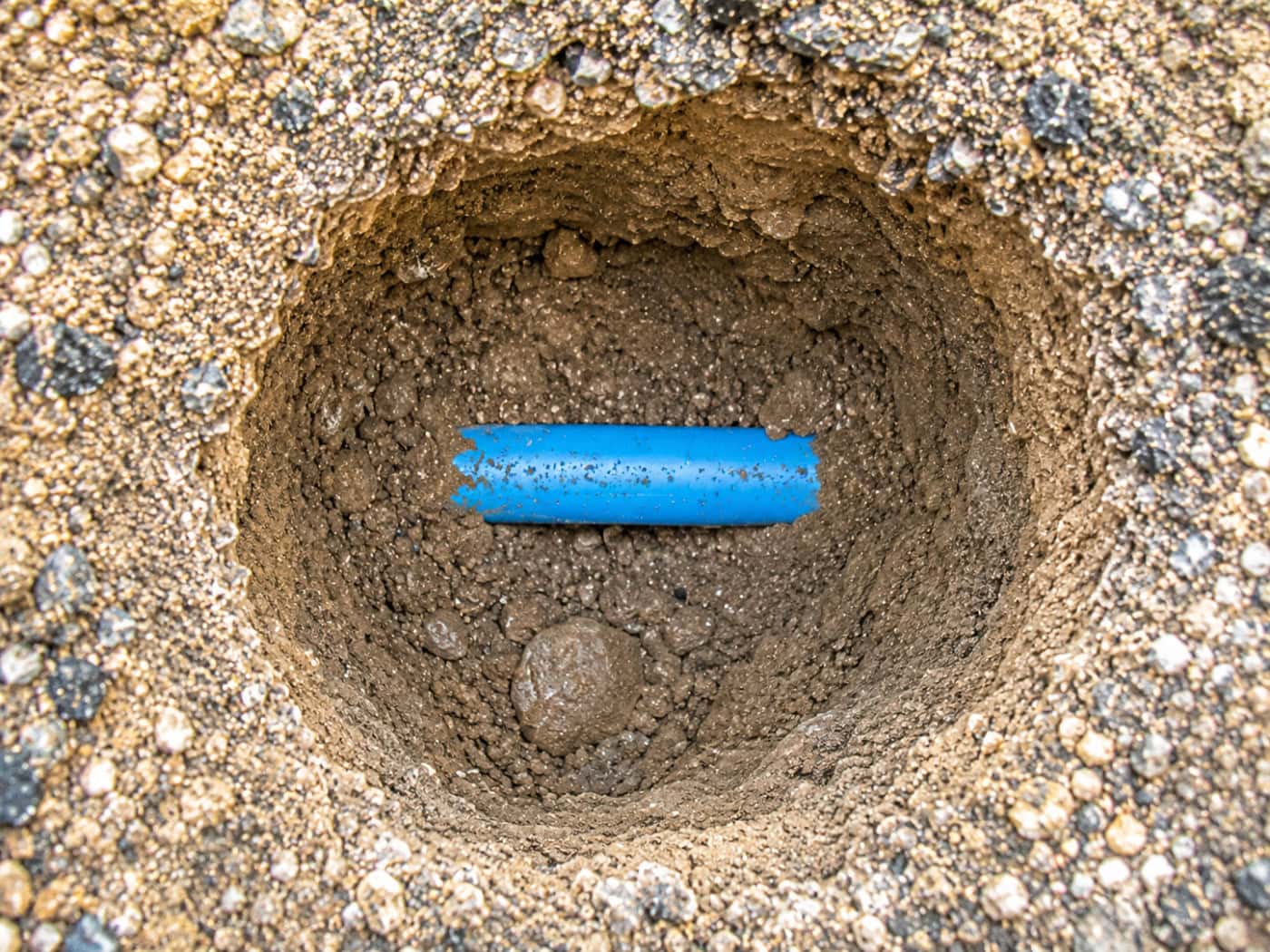
If your water company has notified you of a leak but you can’t see any visible damage, it can feel confusing. Everything looks normal — no damp patches, no pooling water, nothing obviously wrong — yet you’re being told there’s a problem.
This situation is more common than most homeowners expect, especially when the issue lies on the underground supply pipe between the meter and your property.
The key question is whether you still need to act if nothing appears to be happening.
Why leaks are often detected before you see anything
Water companies don’t rely on visible signs. They use monitoring systems, flow data, and usage patterns to detect abnormal water loss.
This means they can identify a potential leak before it becomes visible at the surface.
In many cases:
- The leak is small but continuous
- Water is dispersing underground
- No immediate surface damage has formed
If you want to understand how these leaks develop and why they often remain hidden, see mains water leaks explained.
Why you might not see any visible damage
Supply pipe leaks behave differently from internal leaks.
Because the pipe is underground:
- Water can soak into surrounding soil
- Surface signs may take time to appear
- The leak can remain hidden for extended periods
This creates a situation where the problem exists — but hasn’t yet reached a point where it’s visible.
Do you still need to act?
Yes — even if nothing looks wrong.
A supply pipe leak does not stop on its own. If the water company has detected a problem, it means water is being lost somewhere along the system.
Leaving it unresolved can lead to:
- Increasing water bills over time
- Gradual ground softening
- More disruptive repairs if the issue worsens
Acting early keeps the situation controlled and prevents escalation.
What you should do next
The next step is not to wait for visible damage — it’s to confirm the leak properly.
The Leak Hunter will identify whether the supply pipe is leaking and pinpoint the exact location before recommending the most effective repair approach.
This involves:
- Confirming the source of water loss
- Tracing the pipe route underground
- Pinpointing the exact leak location
To understand how this process works, visit how we find mains water leaks.
What happens if you ignore it
Ignoring a detected leak because there’s no visible damage can lead to bigger problems over time.
As the leak continues:
- Water loss increases
- The surrounding ground becomes weaker
- Damage may eventually appear at the surface
By the time visible signs show, the repair may be more involved than it needed to be.
What happens once the leak is confirmed
Once the leak is located, the next step is deciding how to fix it properly.
This may involve:
- Repairing a specific section of the pipe
- Replacing part of the supply line if needed
- Planning access to minimise disruption
You can read more about this stage here: what happens after a mains water leak is found.
Final thoughts
If your water company has detected a leak, it’s based on real data — even if you can’t see any damage yet.
The key is not to wait for visible signs, but to confirm the issue and deal with it early.
With accurate detection, you can resolve the problem before it becomes disruptive, keeping both cost and impact to a minimum.
To see how we investigate and resolve supply pipe leaks, visit mains water leak detection.
Frequently asked questions
Do you only cover my area?
If you’re outside these areas, don’t worry — our team covers most of the South East, providing trusted leak detection services throughout London, Kent, Sussex, and Surrey.
Can the water company be wrong?
It’s possible, but unlikely. Their detection is based on data, which is why confirmation through proper testing is the next step.
Should I wait until I see damage?
No. Waiting can allow the issue to worsen. It’s better to confirm the situation early.
Will this affect my water bill?
Yes. A supply pipe leak can cause ongoing water loss, which may increase your bill over time.