

You’ve arranged leak detection, the issue has been identified, and you finally know what’s causing the problem. Then you’re told further work is needed before anything can actually be repaired.
This is a common point of confusion. Many homeowners expect leak detection to solve the issue completely, but in reality, it is the step that provides certainty, not the final fix.
Leak Detection Finds the Problem — It Doesn’t Expose It
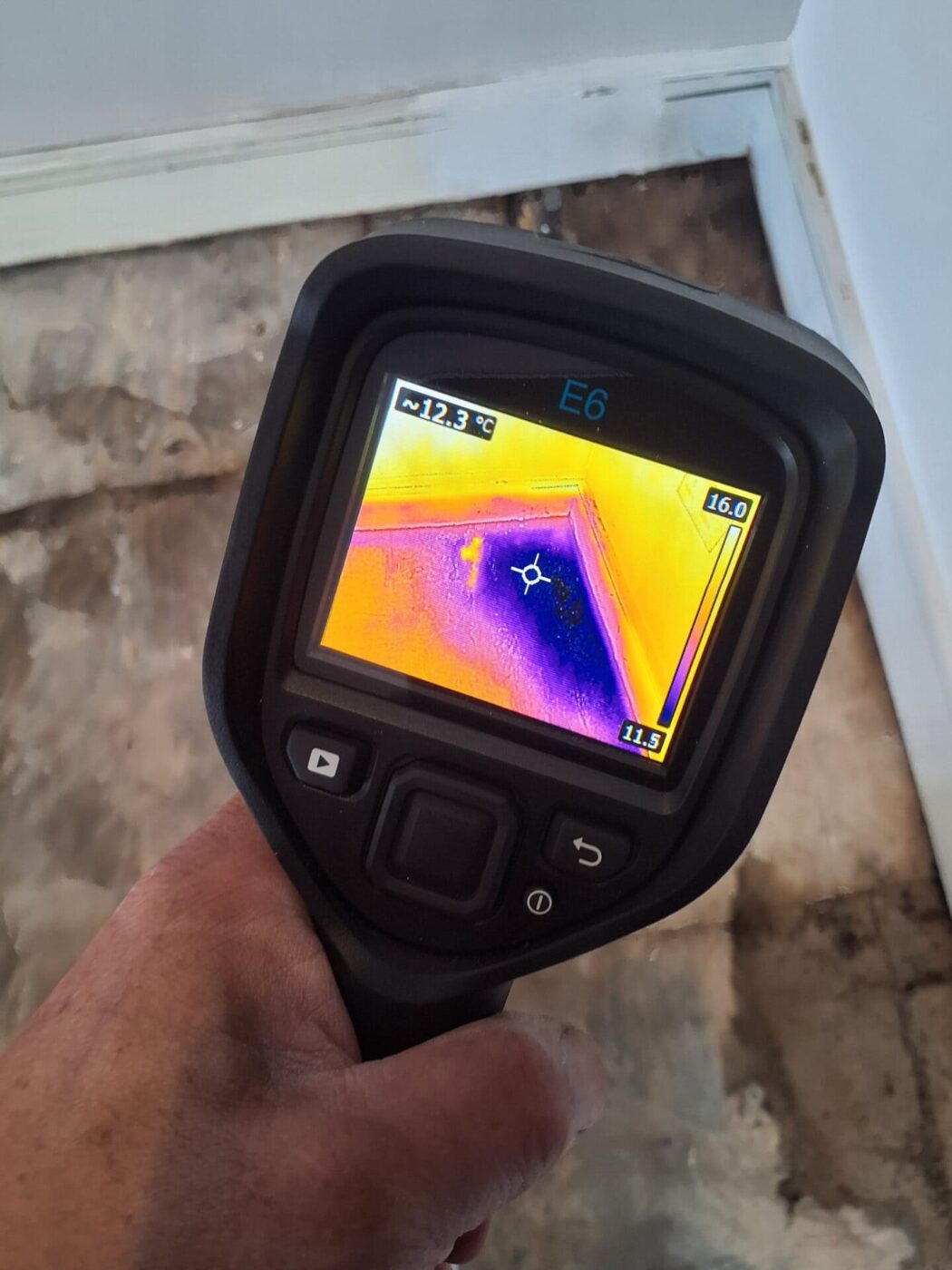
Modern leak detection uses non-invasive methods to locate leaks without damaging your home. This includes techniques such as acoustic testing, thermal imaging, tracer gas, and moisture mapping.
These methods allow the leak to be pinpointed even when it is hidden beneath floors, inside walls, or underground.
However, at this stage, the pipe itself is still concealed. The exact position is known, but it has not yet been physically reached.
Why Further Work Is Needed After Detection
Once the leak has been located, the next step is to access it so it can be repaired. This is where trace and access work comes in.
It involves carefully opening the exact area where the leak has been identified, allowing the pipe or fault to be fixed properly.
You can read more about this stage on our trace and access leak detection explained page.
Why Detection Is Still the Most Important Step
Although it doesn’t complete the repair on its own, detection is what makes the entire process controlled and efficient.
Without it, accessing the leak would involve lifting floors or opening walls without knowing exactly where the problem is. This often leads to unnecessary disruption and higher costs.
By identifying the leak first, the access stage becomes targeted and precise.
What Happens After the Leak Is Accessed
Once the affected area is opened, the leak can be repaired or replaced. The system is then tested to confirm the issue has been fully resolved.
From there, the final stage involves reinstating the area and completing any remaining work.
You can learn more about the full process in our guide to what happens after a leak is found.
Why It Can Feel Like the Process Is Dragging On
From a homeowner’s perspective, it can feel like each step adds more time and complexity. First detection, then access, then repair.
In reality, this structured approach is what prevents larger problems. Each stage builds on the last, ensuring the issue is properly understood before any work is carried out.
It’s a Process Designed to Avoid Bigger Problems
Leak detection is not the end of the process — it is what makes the rest of the work accurate and controlled.
If you’ve been told further work is needed after detection, it doesn’t mean something has gone wrong. It means the process is moving forward correctly, ensuring the leak is fully resolved rather than left hidden.
At The Leak Hunter, we carry out both detection and the next stages with a focus on accuracy and minimal disruption, so your home is protected and the issue is dealt with properly.