

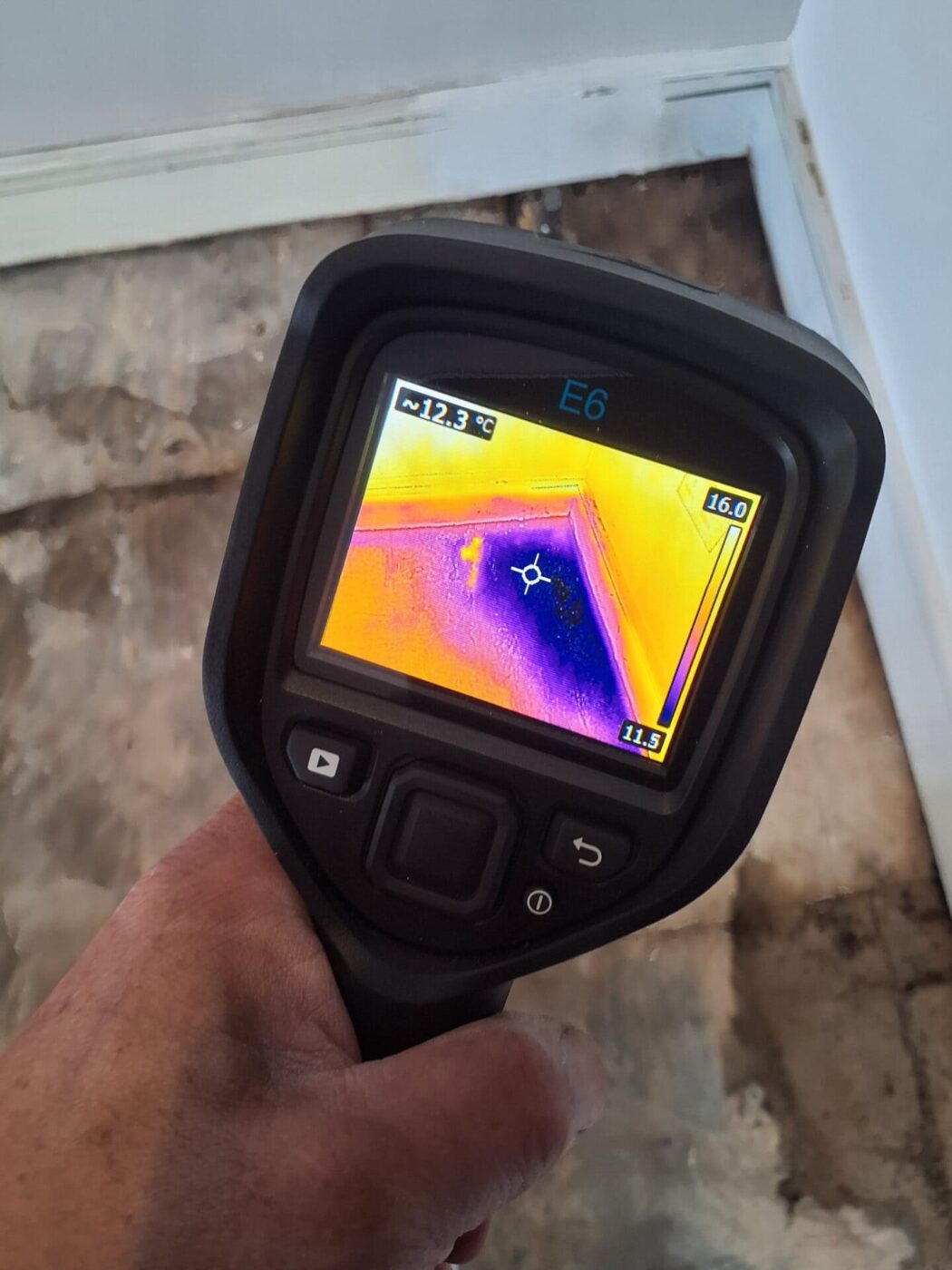
You’ve had the leak found, the trace and access work carried out, and the repair completed. Naturally, you expect everything to be put back exactly as it was straight away. But instead, parts of your home may still be open, and it can feel like the job isn’t finished.
This is a common point of confusion. From a homeowner’s perspective, once the leak is fixed, everything should return to normal. In practice, the process is often completed in stages.
Repair and Reinstatement Are Separate Steps
Fixing the leak and restoring the property are not always carried out at the same time. The priority is to stop the leak and make the system safe and functional.
Reinstatement — putting floors, walls, or ceilings back — is usually the final stage once everything has been confirmed as resolved.
This all follows on from leak detection and controlled access work, which allow the problem to be accurately located and repaired.
Why Areas Are Sometimes Left Open
After a repair, it’s often advisable to leave the area accessible for a short period. This allows the system to be monitored and ensures there are no further issues before everything is sealed back up.
If everything were immediately reinstated and a problem remained, it could mean reopening the same area again.
How Trace and Access Affects This Stage
Because trace and access work involves opening a precise section of the property, that area needs to be properly restored afterwards.
This may involve flooring, plaster, tiling, or other finishes depending on the location of the leak.
Who Carries Out the Reinstatement Work?
In many cases, reinstatement is handled separately from the leak detection and repair. This may be arranged through your insurer, a contractor, or managed independently depending on your situation.
This is why there can sometimes be a gap between the repair being completed and the final finish being restored.
Why This Stage Can Take Longer Than Expected
Reinstatement often involves different trades and materials, which can add time to the process. In insurance cases, approval may also be required before work begins.
While this can feel frustrating, it is usually part of ensuring the work is completed properly rather than rushed.
What You Should Expect at This Point
Once the leak has been repaired, you should have confirmation that the issue has been resolved and the system is functioning correctly.
The final step is restoring the affected area so your home returns to its original condition.
You can learn more about the full process in our guide to what happens after a leak is found.
The Job Isn’t Incomplete — It’s in the Final Stage
It can feel like the work has been left unfinished, but in reality, you are at the final stage of the process.
The leak has been identified, accessed, and repaired. What remains is the reinstatement, which completes the job fully.
At The Leak Hunter, we focus on resolving the cause of the problem first, ensuring the leak is properly dealt with before the final restoration takes place.