

I Don’t Know Where My Water Supply Pipe Runs – Can It Be Traced and Located?
If you’ve been told you have a leak on your incoming water supply, one of the first questions is often:
“Where does my water supply pipe actually run?”
For many homeowners, the honest answer is:
“I have no idea.”
That’s completely normal.
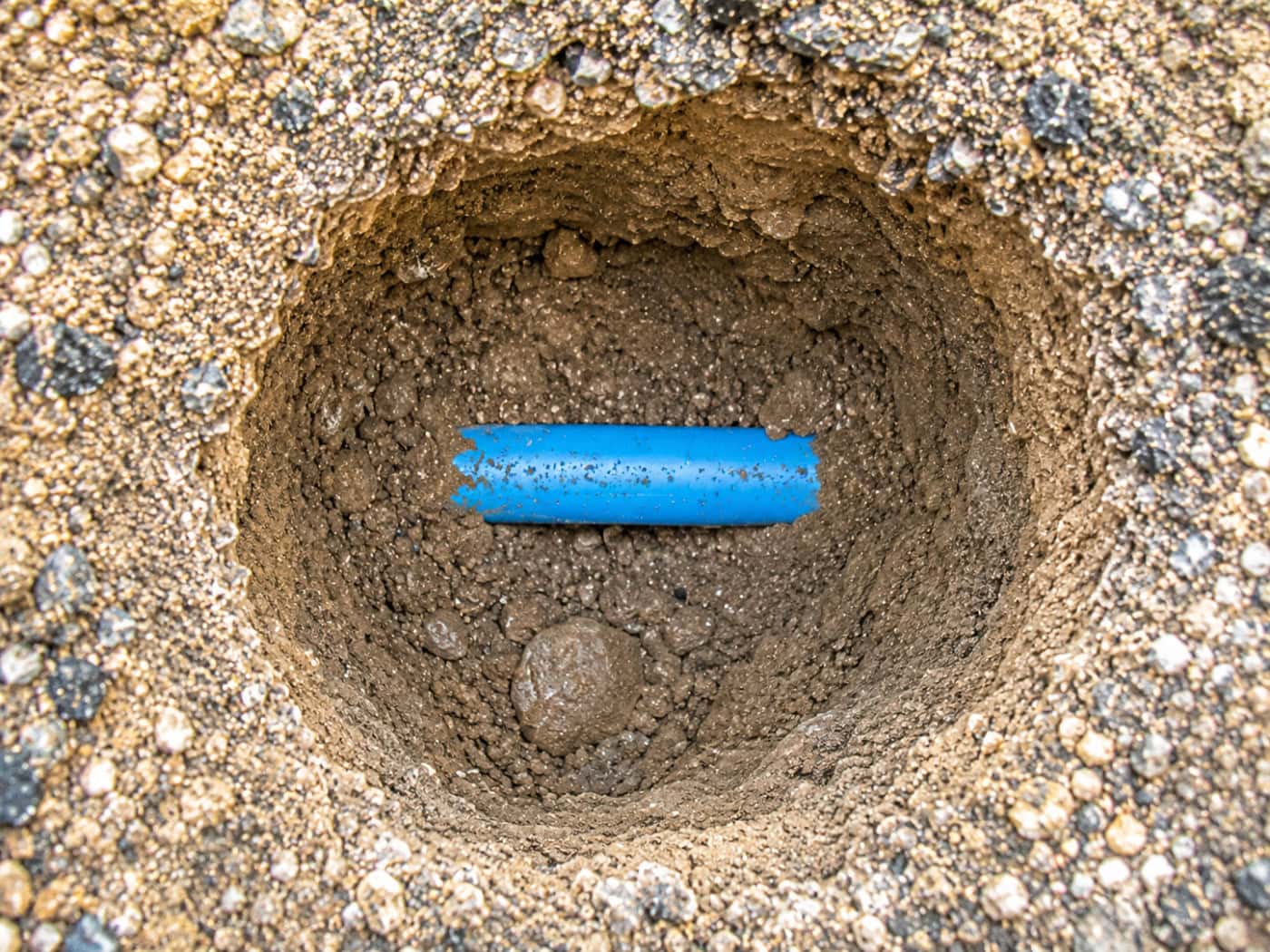
Unlike the plumbing inside your home, the incoming water supply pipe is buried underground and may have been installed decades ago. Over the years, extensions, new driveways, garden landscaping and previous repairs can all alter or disguise its original route.
In many cases, the route of an underground supply pipe can be traced without excavating the entire length. The techniques used depend on the pipe material, available access points and how the pipe was originally installed.
Why Would You Need a Supply Pipe Traced?
There are several situations where knowing the exact route of your supply pipe can save considerable time, cost and unnecessary disruption.
Common examples include:
- after receiving a leak notification from your water company
- before repairing a confirmed supply pipe leak
- before installing a replacement supply pipe
- before moling beneath a driveway or garden
- before building an extension
- when purchasing an older property
- when no plans or drawings exist
- where the incoming stop tap location is unclear
Understanding where the pipe runs is often the first step towards deciding whether a targeted repair or complete replacement is the most appropriate solution.
Why Most Homeowners Don’t Know Where Their Pipe Runs
Unlike gas and electricity services, the route of a private water supply pipe is rarely obvious.
Many properties have changed significantly since they were first built.
- extensions have been added
- driveways have been resurfaced
- gardens have been landscaped
- water meters have been installed
- previous leaks may have been repaired
- boundaries may have changed
- stop taps may have been relocated
Even where homeowners have lived in a property for many years, it is quite common not to know the exact route of the incoming supply pipe.
Does a Water Supply Pipe Always Run in a Straight Line?
No.
Although many supply pipes take the shortest practical route between the water meter and the property, there is no rule that says they must.
The route may have been altered to avoid:
- foundations
- trees
- retaining walls
- other underground utilities
- extensions added after construction
- previous repairs
It is not unusual for a supply pipe to be found several metres away from where the homeowner expected it to be.
Can the Water Company Tell Me Where My Pipe Runs?
Sometimes—but not always.
Water companies usually have records showing the location of their own mains and the position of the water meter.
However, the private supply pipe running from the boundary or meter to your property is often your responsibility, and accurate records of its exact route may not exist.
Even where drawings are available, they may no longer reflect the current pipe route if previous repairs, extensions or alterations have taken place.
Can a Water Supply Pipe Be Traced Without Digging?
Often, yes.
Modern tracing equipment can frequently establish the likely route of a buried supply pipe while keeping excavation to a minimum.
Depending on the installation, this may involve:
- FlexiTrace tracing rods
- pipe tracing transmitters
- existing tracer wire
- electromagnetic locating equipment
- acoustic tracing
- small confirmation excavations where necessary
The most appropriate technique depends on the pipe material, available access points and the circumstances of each property.
How Are Plastic Water Pipes Traced?
Modern MDPE and older LDPE (alkathene) water pipes cannot usually be detected directly because plastic does not conduct an electrical locating signal.
Instead, a specialist tracing rod such as a FlexiTrace system can often be fed through the pipe from an accessible point.
The tracing rod contains a conductive wire. Once connected to a signal transmitter, the underground route of the pipe can often be followed accurately from the surface using specialist locating equipment.
This frequently provides a far more accurate indication of the pipe route than simply estimating where it might have been laid.
How Deep Are Water Supply Pipes Buried?
There is no single depth that applies to every property.
Modern water supply pipes are commonly installed at a depth of around 750mm to help protect them from frost and accidental damage. However, many older properties were built to different standards and it is not unusual to find pipes that are considerably shallower or deeper.
Changes in ground level, extensions, landscaping and previous repair work can all affect the depth of a supply pipe as it approaches the property.
Is Pipe Tracing the Same as Leak Detection?
No.
This is one of the most common misunderstandings.
Pipe tracing identifies where the supply pipe runs.
Leak detection identifies where water is escaping from that pipe.
Although the two services are often carried out together, they perform different jobs.
Knowing the exact route of the supply pipe frequently makes leak detection faster, more accurate and less disruptive because the investigation can focus on the pipe itself rather than a much larger search area.
Can Tracing the Pipe Help Locate the Leak?
Very often, yes.
Tracing the route of the supply pipe allows leak detection equipment to be used more effectively along the actual pipe route rather than searching large areas of the property.
Depending on the circumstances, tracing may be combined with:
- acoustic leak detection
- tracer gas testing
- pressure testing
- correlation equipment
- moisture investigation
- thermal imaging where appropriate
Using several complementary techniques often provides a much clearer picture than relying on a single method alone.
Why Tracing the Pipe First Can Save Time and Money
If the route of the supply pipe is unknown, repairs sometimes begin with educated guesswork.
This can result in:
- larger excavations than necessary
- damage to driveways or gardens
- longer repair times
- higher reinstatement costs
- difficulty locating the actual leak
Accurately tracing the supply pipe before excavation often allows the investigation to be focused on a much smaller area.
It can also provide valuable information when deciding whether a targeted repair or complete replacement is likely to be the better long-term solution.
Hidden Services Should Always Be Considered Before Digging
A buried water supply pipe is rarely the only service underground.
Before any excavation begins, consideration should be given to other buried utilities, including:
- gas pipes
- electricity cables
- telecommunications cables
- fibre optic networks
- drainage systems
- other water pipes
Depending on the circumstances, a cable avoidance survey using CAT & Genny equipment may be recommended before excavation takes place. Identifying buried services beforehand helps reduce the risk of accidental damage and improves the safety of any repair work.
Can Tracing Help Identify Shared Supply Pipes?
Yes, in some situations.
Older properties, converted buildings and some flats may have shared water supply arrangements.
Tracing the route of the pipe can sometimes help establish:
- whether neighbouring properties share part of the supply
- where pipe ownership may change
- which property is affected by the leak
- where additional investigation may be required
This information can be particularly useful before repair work begins or where responsibility for the leak is unclear.
Can Every Water Supply Pipe Be Traced?
Not always.
Access to the pipe, previous alterations, the surrounding ground conditions and the type of pipe all influence which tracing methods are possible.
Occasionally, small trial holes are still required to confirm the route or investigate complex installations.
However, even where confirmation excavations are needed, tracing the pipe first can often reduce the amount of unnecessary digging.
Why Professional Pipe Tracing Can Make the Difference
Before deciding whether to repair, replace or reroute a leaking supply pipe, understanding where the pipe actually runs is often one of the most valuable parts of the investigation.
The Leak Hunter carries out specialist mains water investigations using a combination of pipe tracing and non-invasive leak detection techniques to establish both the route of the supply pipe and the location of concealed leaks.
As a WaterSafe Register registered company, we use an investigation-led approach designed to minimise unnecessary excavation and help homeowners make informed decisions before repair work begins.
You can learn more about our mains water leak detection service and how specialist tracing and leak detection techniques can help locate hidden supply pipe leaks.
Frequently Asked Questions
Can plastic water pipes be traced?
Yes. Although plastic pipes cannot usually be detected directly, specialist tracing rods such as FlexiTrace can often be inserted into the pipe and located from above ground.
Does tracing the pipe automatically find the leak?
No. Pipe tracing identifies where the pipe runs, while leak detection identifies where water is escaping. The two techniques are often used together during a professional investigation.
Can old plans show where my supply pipe runs?
Sometimes, but many private supply pipes are poorly documented. Extensions, repairs and alterations can also mean older drawings no longer reflect the current pipe route.
Will tracing the pipe avoid all excavation?
Not always. Some properties still require small trial holes to confirm the route, but tracing can often reduce unnecessary excavation significantly.
Why should buried services be located before digging?
Gas pipes, electricity cables, fibre optic networks and other underground services may all be present. Identifying them before excavation helps reduce the risk of accidental damage and improves safety during repair work.


