

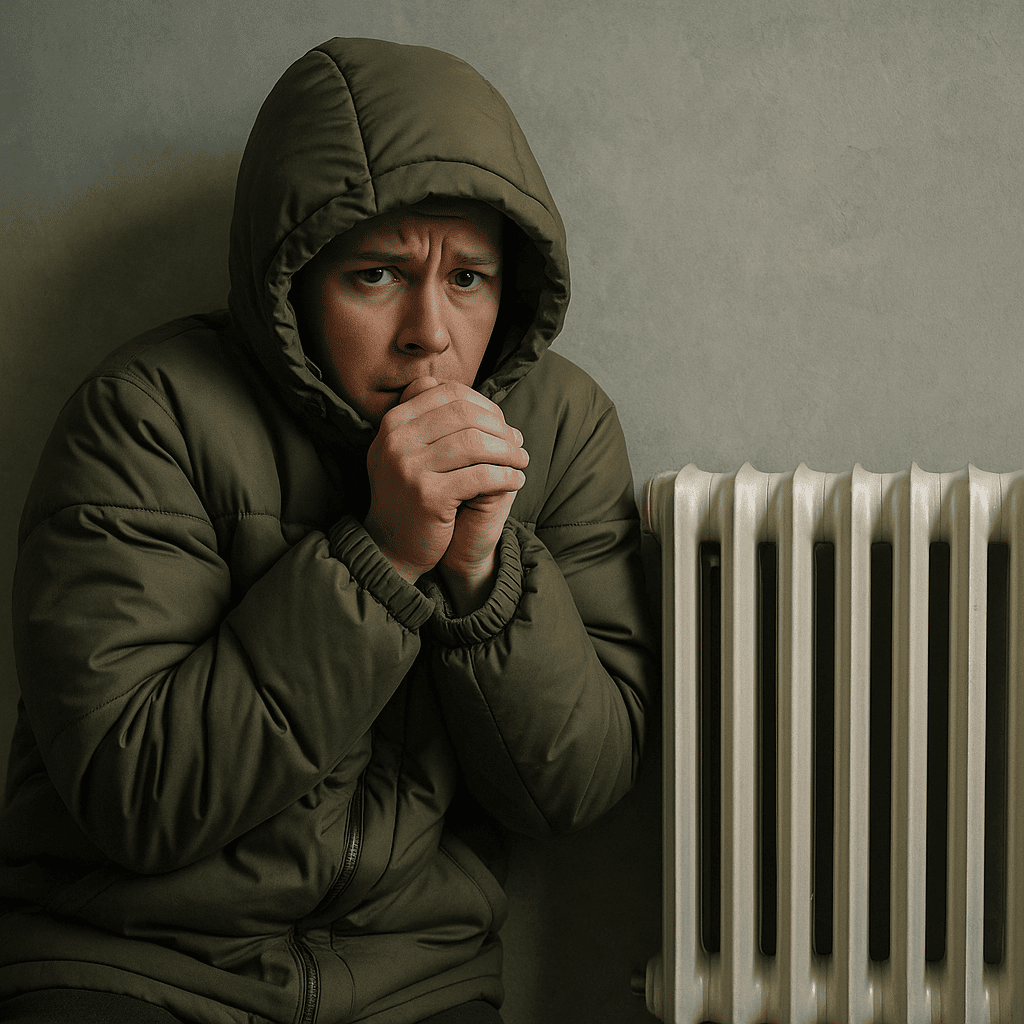
If your radiators are warm but your home still feels cold, or some rooms never seem to heat properly, you’re not alone. This is a common issue in UK homes and often points to an underlying problem within the central heating system.
At The Leak Hunter, we regularly investigate heating systems that appear to be working but aren’t delivering heat efficiently. This guide explains the most common reasons radiators fail to heat a house properly — and what those problems usually mean.
Common Reasons Radiators Aren’t Heating Your Home
Air Trapped in Radiators
Air inside radiators prevents hot water from circulating fully. This often leaves radiators cold at the top and warm at the bottom.
Bleeding radiators can release trapped air, but if air keeps returning, it may indicate a deeper issue within the system.
Sludge Build-Up in the Heating System
Over time, central heating systems can build up sludge made from rust, debris, and limescale. This restricts water flow, meaning radiators heat unevenly or not at all.
Sludge is one of the most common reasons homes struggle to warm up properly, even when the boiler is running continuously.
Poorly Balanced Radiators
Radiators need to be balanced so hot water flows evenly throughout the system. If some radiators heat quickly while others stay lukewarm, poor balancing may be the cause.
This is often noticeable in larger homes or older heating systems.
Low Boiler Pressure
If boiler pressure is too low, hot water may not circulate effectively through the heating system. This can result in radiators feeling warm but failing to heat rooms properly.
Pressure issues are sometimes caused by bleeding radiators, system leaks, or failing components.
Hidden Leaks in the Heating System
Small leaks in pipework — especially under floors or behind walls — can reduce system pressure and heat output without leaving visible signs.
This often results in radiators losing efficiency gradually over time rather than failing suddenly.
Why Turning the Thermostat Up Doesn’t Help
Many homeowners respond by increasing the thermostat or running the heating for longer. Unfortunately, this rarely fixes the problem.
If heat isn’t circulating properly, running the system longer only increases energy bills without improving comfort.
When Radiator Issues Signal a Bigger Problem
Radiators not heating your house properly is rarely a standalone issue. It’s often a symptom of:
- Sludge restricting circulation
- Pressure problems within the system
- Undetected heating leaks
- A system overdue for maintenance
Identifying the root cause early helps prevent more serious damage and unnecessary costs.
How The Leak Hunter Can Help
At The Leak Hunter, we specialise in diagnosing hidden problems within heating systems — particularly where poor heat output is linked to leaks, pressure loss, or circulation issues.
Using non-invasive detection methods, we locate faults accurately without unnecessary disruption, helping homeowners restore heating efficiency and comfort.
Final Advice
If your radiators aren’t heating your house properly, don’t ignore it. What starts as uneven heat can develop into ongoing pressure problems, leaks, or expensive system damage.
Understanding the cause is the first step toward fixing it properly.
If your heating system is losing pressure or showing signs of a leak, our central heating leak detection service can identify the problem quickly and accurately.