

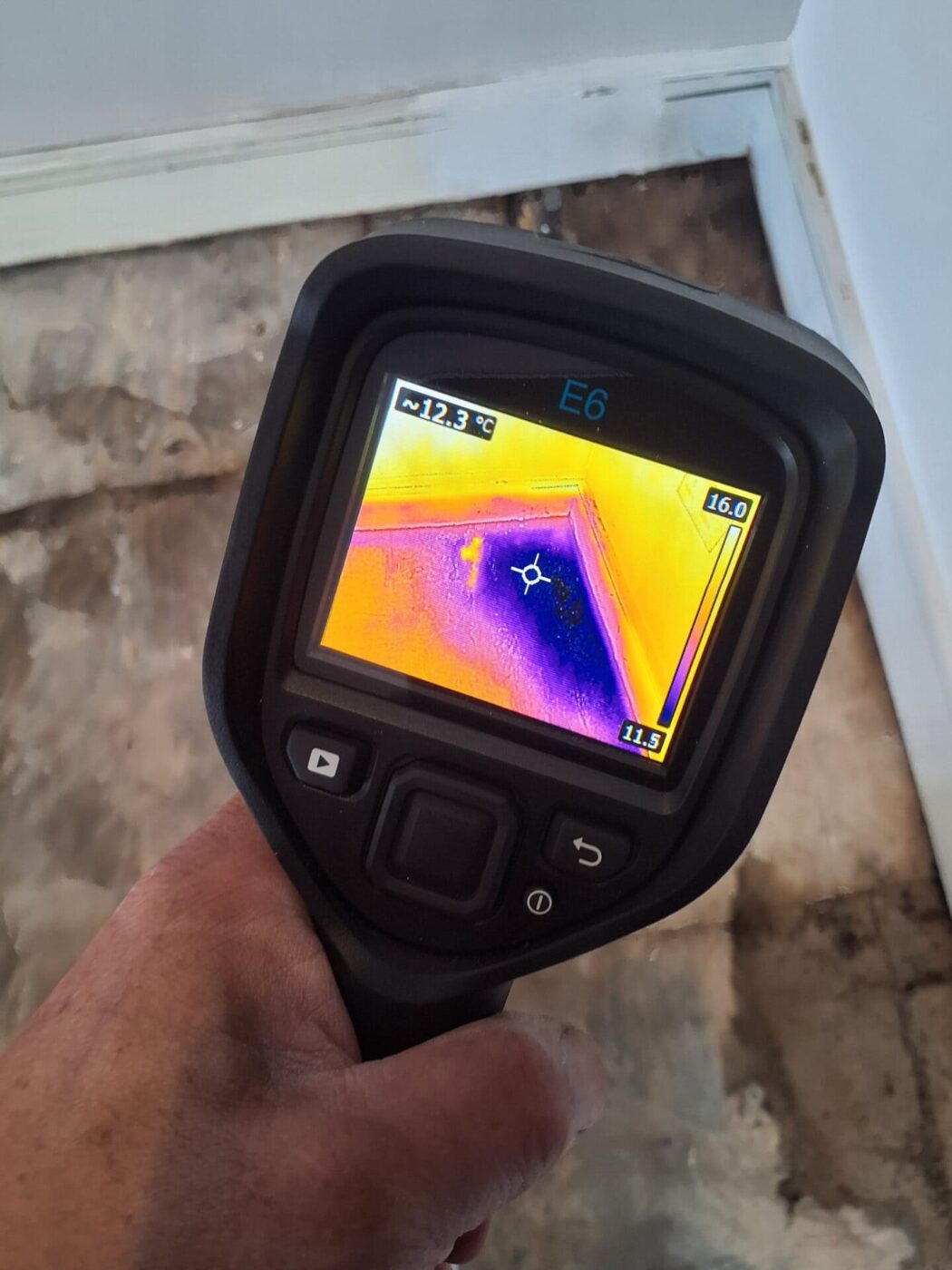
If you’ve been told you need trace and access work, it’s completely normal to wonder whether it can wait. You might be weighing up the disruption, the cost, or simply hoping the issue isn’t urgent.
This is one of the most common decision points homeowners face. The leak has been identified, but the next step involves opening part of the property, and it can feel like something you’d rather delay if possible.
What Happens If You Leave a Leak Without Accessing It?
Even when a leak seems small, it doesn’t stop on its own. If the pipe remains hidden and unrepaired, water continues to escape, often slowly and without obvious signs at first.
Because many leaks are located beneath floors, inside walls, or underground, the damage can build up quietly over time. What starts as a minor issue can gradually affect a larger area.
Why Trace and Access Is the Turning Point
Once leak detection has confirmed the location, trace and access is the step that allows the problem to be properly resolved.
Without it, the leak remains sealed inside the structure of your home. It may not seem urgent day-to-day, but the underlying issue is still active.
You can read more about how this stage works on our trace and access leak detection explained page.
When It Might Feel Safe to Wait
There are situations where homeowners feel comfortable delaying this stage, particularly if there is no visible damage, no immediate disruption, or the system still appears to be working.
However, these are often the types of leaks that continue unnoticed for longer, allowing moisture to spread before it becomes obvious.
What Changes Over Time If You Delay
As time passes, a hidden leak can begin to affect surrounding materials. This might include flooring, plaster, insulation, or external ground depending on the location.
The longer the leak is left unresolved, the greater the chance that the affected area becomes larger, which can increase the extent of work required later.
Why Acting Early Usually Reduces Disruption
It can feel counterintuitive, but carrying out trace and access earlier often results in less disruption overall. When the affected area is still small, the access point can remain precise and contained.
If the leak spreads, the repair and reinstatement stages can become more involved.
It’s Not About Rushing — It’s About Control
This stage isn’t about acting quickly without thought. It’s about making a controlled decision based on confirmed information.
Once the leak has been identified, trace and access is what allows you to resolve the issue properly rather than leaving it to develop further.
Making the Right Decision for Your Situation
Every situation is slightly different. The location of the leak, the type of system, and the condition of the property all play a role in how urgent the next step is.
If you’re unsure, it’s always worth understanding the risks of delaying so you can make a clear and informed decision.
At The Leak Hunter, we guide homeowners through the full process, from accurate leak detection through to controlled trace and access and repair, so you can move forward with confidence and avoid unnecessary complications.