

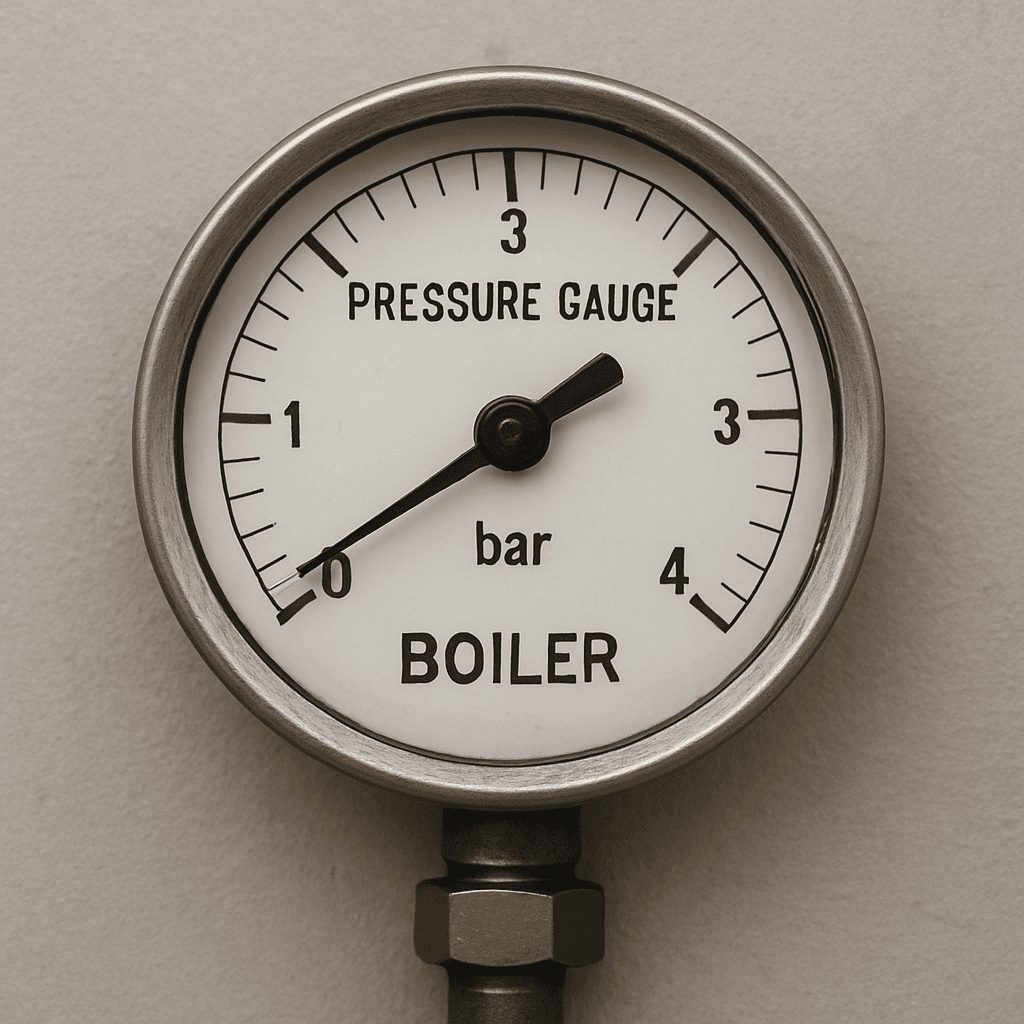
You reset the system, everything comes back to life, and for a while it feels like the problem has gone. The heating works, the radiators warm up properly, and the house feels comfortable again.
Then, slowly, things start to change. Not all at once — just a gradual drop in performance. And before long, you’re back where you started.
When this cycle repeats, it usually isn’t a coincidence.
Why This Reset Pattern Matters
A reset can temporarily restore normal operation by clearing faults or rebalancing the system. But it doesn’t address underlying issues.
If the system improves after a reset and then declines again, it usually means something is continuing to affect how the system operates.
In other words, the reset is masking the symptom rather than resolving the cause.
What This Usually Indicates
One of the most common reasons for this pattern is ongoing water loss within the system.
What typically happens is:
The system is reset and begins operating normally
Water is gradually lost somewhere in the system
Circulation and balance begin to change
Performance slowly declines again
This creates the repeating cycle of “reset → works → declines.” You can learn more about this on our signs of a central heating leak page.
Why It Can Be Misleading
Because the system works again after a reset, it’s easy to assume the issue has been fixed.
This can lead to repeated resets instead of investigating what’s causing the change in behaviour.
Another common assumption is that resets are just part of normal system operation. In reality, needing to reset repeatedly is usually a sign of something underlying.
How to Recognise the Pattern
The key is to look at what happens after the reset, not just the immediate improvement.
Ask yourself:
How long does the system stay stable after resetting?
Does performance gradually drop each time?
Is the time between resets becoming shorter?
These patterns often indicate that the system is gradually losing stability.
What to Do Next
If your heating only works properly after resetting and then declines again, the focus should be on understanding why the system keeps changing over time.
The next step is to confirm whether water is being lost and identify where it is happening.
You can read more about how we investigate this on our how we find central heating leaks page.
For a full overview of how these problems are diagnosed, visit Central Heating Leak Detection.
FAQ
Why does my heating improve after a reset?
A reset can temporarily restore system balance or clear faults, allowing normal operation to resume briefly.
Why does the problem come back?
This usually means something ongoing — such as water loss — is affecting the system again over time.
Is it normal to keep resetting the system?
No. Repeated resets usually indicate an underlying issue rather than normal operation.
Could this be caused by a leak?
Yes. Gradual water loss can cause performance to decline after the system initially recovers.
Do you only cover my area?
If you’re outside these areas, don’t worry — our team covers most of the South East, providing trusted leak detection services throughout London, Kent, Sussex, and Surrey.
Final Thoughts
If your system keeps improving after a reset and then slipping again, it’s not just a glitch — it’s a pattern.
Recognising that pattern helps you move beyond temporary fixes and focus on what’s really affecting your heating system.