

Heating pipes leaking behind walls or floors are one of the most disruptive causes of central heating problems because damage can develop long before the source is found. When pipework is concealed within the structure of a property, water can escape quietly while affecting walls, floors, and heating performance.
Because the leak is hidden, the warning signs are often indirect and easy to misinterpret.
In simple terms, if heating pipes are leaking behind walls or floors, water is escaping from concealed pipework and may only become visible once damage has already developed.
In many cases, these leaks can still be located accurately without removing walls or lifting floors unnecessarily.
Why heating pipes are hidden in modern homes
In most properties, central heating pipes are routed through:
- Walls
- Concrete floors
- Suspended timber floors
- Ceiling voids
This keeps pipework out of sight, but it also makes leaks harder to detect early. When a pipe begins to fail, water can spread into surrounding materials without immediately reaching the surface.
Common causes of hidden heating pipe leaks
Ageing pipework
Over time, heating pipes are exposed to heat, pressure, and water chemistry. Metal pipes can corrode internally, while older plastic pipes may weaken or crack.
Poor installation or failing joints
Leaks often develop at joints hidden inside walls or floors. Poorly tightened fittings, stressed pipe runs, or unsupported sections can all start to fail gradually.
Expansion and contraction
Heating pipes expand when hot and contract as they cool. Repeated movement can weaken joints and seals, especially where pipes pass through solid materials.
Corrosion caused by oxygen entering the system
If air is repeatedly entering the heating system, corrosion can accelerate. Over time, this may lead to small pinhole leaks that release water continuously.
Early warning signs of hidden heating leaks
Common indicators include:
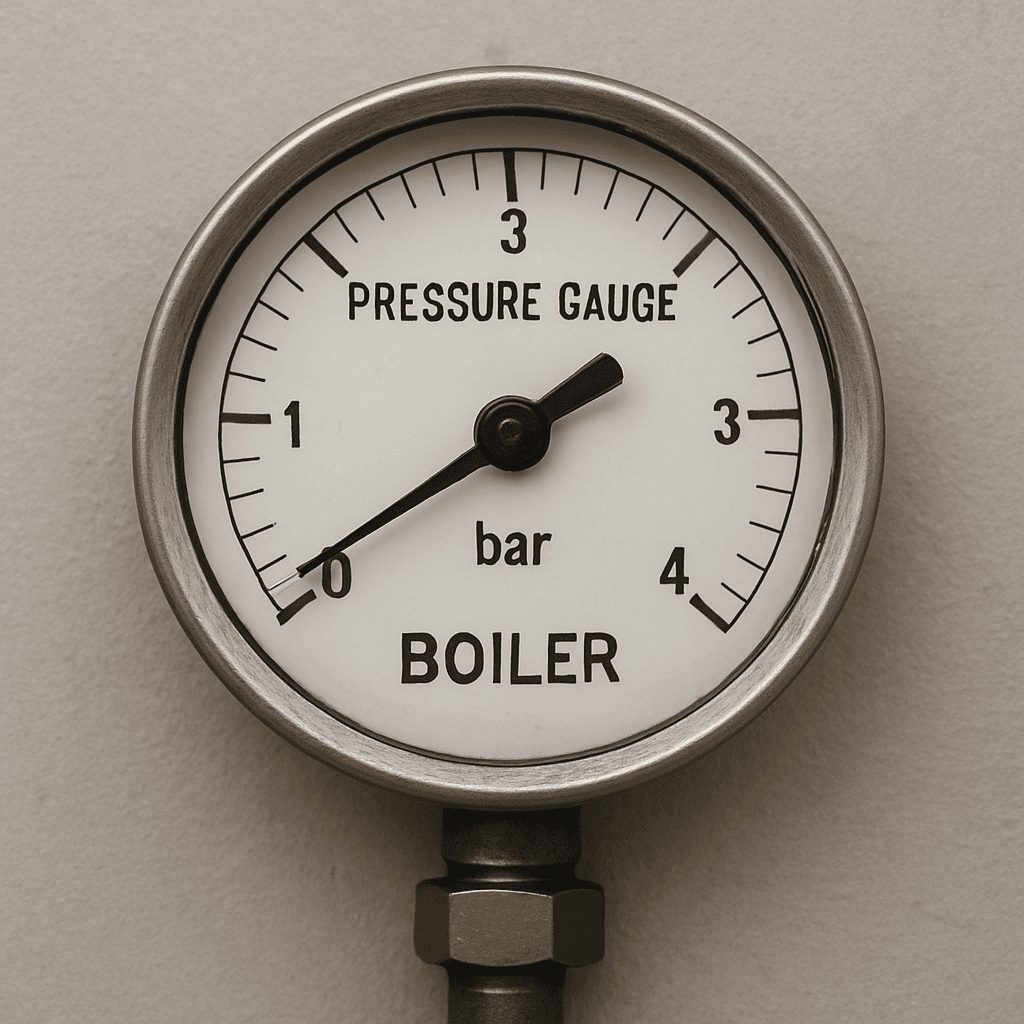
- Unexplained drops in boiler pressure
- Radiators needing frequent bleeding
- Cold spots or uneven heating
- Damp smells near walls or floors
- Staining, bubbling paint, or warped finishes
These symptoms often develop gradually, which is why hidden leaks are easy to dismiss at first.
For a deeper explanation of how these issues develop, see our guide on where central heating leaks occur.
Why leaks do not always show where the pipe is damaged
Water escaping behind walls or floors does not always appear directly above the leak. It can travel along structures and show up in unexpected areas.
How hidden pipe leaks affect heating performance
- Pressure loss that reduces circulation
- Air entering the system
- Increased corrosion and sludge
- Radiators losing heat or warming unevenly
Risks of ignoring hidden heating pipe leaks
- Structural damage to walls or floors
- Damp and mould growth
- Damage to finishes
- Increasing repair costs
How hidden heating pipe leaks are found
Because heating pipes are concealed, finding the exact leak location requires specialist testing rather than guesswork or unnecessary removal of floors and walls.
Professional leak detection can identify the source by tracing sound, temperature changes, or pressure loss within the system, allowing the problem to be confirmed before any access is made.
The takeaway
Heating pipes leaking behind walls or floors can cause significant damage before they are discovered. Because the pipework is hidden, the early warning signs are often subtle and easy to misinterpret.
If you suspect a concealed heating pipe leak, identifying the exact source early is the most important step before any repair or access work is carried out.
Our central heating leak detection service focuses on locating leaks within walls and floors accurately, helping avoid unnecessary disruption and repeated repairs.