

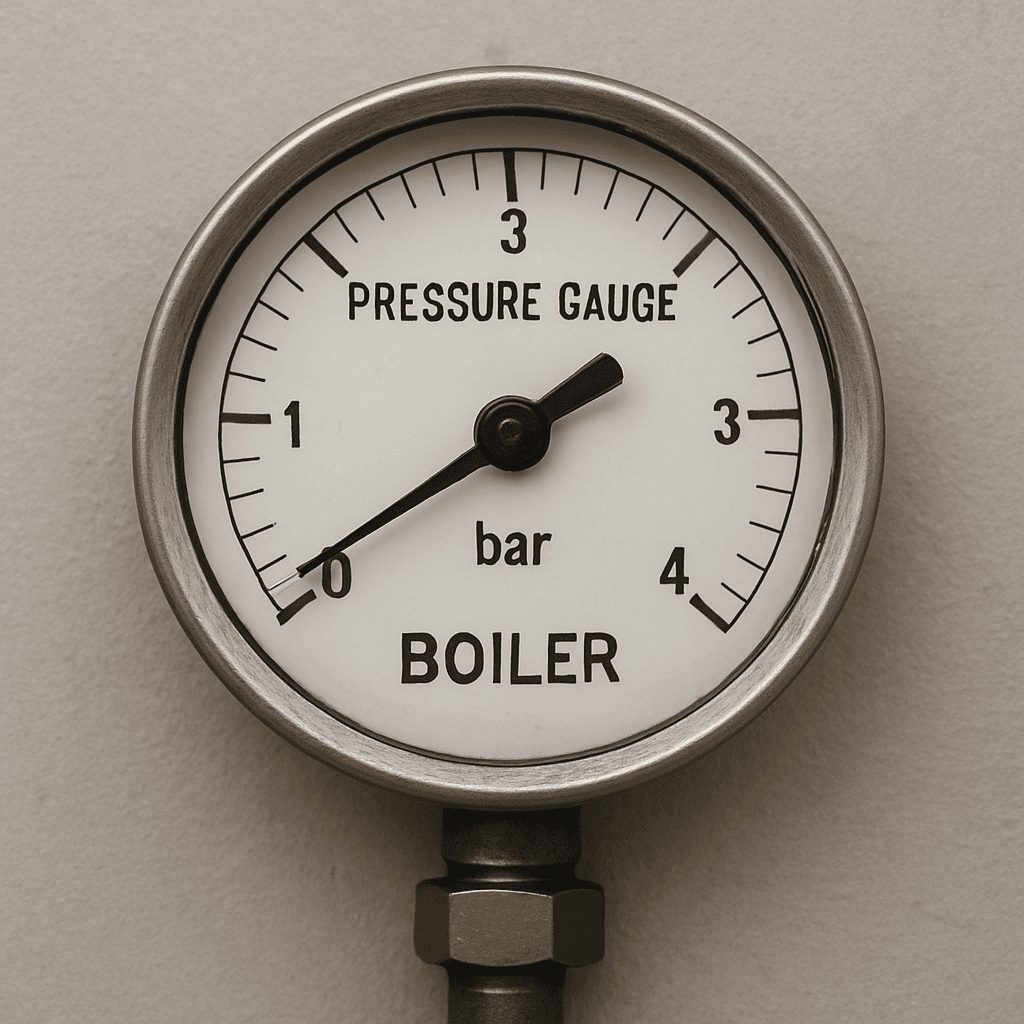
You top up the heating system, everything seems fine — and then the noise starts. It might be gurgling, movement in the radiators, or a slightly different sound than before.
Because the change happens straight after topping up, it feels connected. And in most cases, it is.
This kind of immediate shift in behaviour is often a useful clue.
Why the System Changes After Topping Up
When you top up a heating system, you’re introducing fresh water into it. That process can also introduce air, especially if the system is already unstable.
In a properly sealed system, topping up should not create ongoing noise or repeated issues.
If it does, it usually means the system is not holding its balance as it should.
What This Usually Points To
When a system starts making noise after topping up, it often indicates that air is now moving through the system.
This can happen when:
Water has already been lost from the system
Topping up introduces additional air
Circulation pushes that air through radiators and pipework
This is why the change feels immediate — the system is reacting to the new balance. You can learn more about this on our signs of a central heating leak page.
Why It’s Not Just About Topping Up
It is easy to assume the topping up itself has caused the problem. In reality, it often reveals an issue that was already there.
If the system were stable, topping up would not lead to repeated noise or changes in behaviour.
So the key question is not just “what happened after topping up?” — but “why did the system need topping up in the first place?”
How to Read the Pattern
Instead of focusing only on the noise, look at the wider sequence of events.
Ask yourself:
How often are you needing to top up?
Did the system feel stable before this started happening?
Are there other signs, such as air in radiators?
These patterns often point to water loss somewhere within the system.
What to Do Next
If your heating starts making noise after topping up, the focus should be on understanding why the system needed topping up and why it is no longer stable.
The next step is to confirm whether water is being lost and identify where it is happening.
For a full overview of the service, visit Central Heating Leak Detection.
FAQ
Why did my heating start making noise after topping up?
This is usually caused by air entering or moving through the system after the water balance changes.
Is topping up the cause of the problem?
Not usually. It often reveals an underlying issue rather than creating one.
Does this mean I have a leak?
It can be a sign. Repeated topping up is often linked to water loss somewhere in the system.
Will the noise go away on its own?
It may settle temporarily, but it will usually return if the cause is not addressed.
Do you only cover my area?
If you’re outside these areas, don’t worry — our team covers most of the South East, providing trusted leak detection services throughout London, Kent, Sussex, and Surrey.
Final Thoughts
When a system changes immediately after topping up, it’s often highlighting something that was already happening beneath the surface.
Understanding that connection helps you focus on the cause rather than just the symptom.