

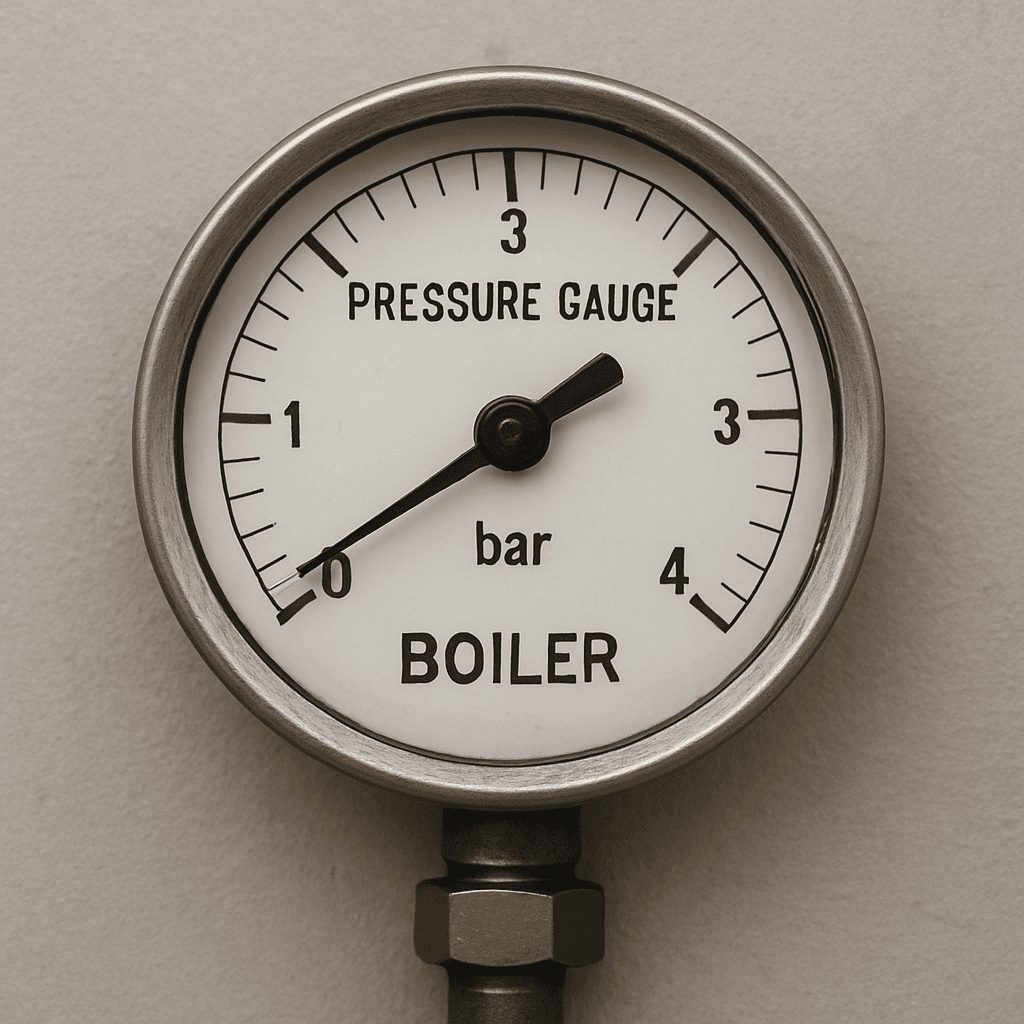
If your heating system seems to lose pressure more quickly during colder weather, it can feel like the problem is seasonal — but it’s usually a sign of something underlying.
Cold weather doesn’t cause leaks, but it does expose them.
This is where our Central Heating Leak Detection service helps identify what’s actually happening within the system.
This page explains why this pattern occurs and what to do next.
What This Usually Means
If pressure loss becomes worse in colder weather, it usually means the system is being stressed more frequently or more intensely.
The issue already exists — it’s simply becoming more visible.
Why This Happens
During colder periods, heating systems run more often and experience greater temperature changes. This increases expansion and contraction within the system.
These repeated movements place stress on pipework, joints, and weak points.
If there is already a small weakness or developing leak, this increased demand makes it more noticeable — particularly through faster pressure loss.
You can learn more about how these patterns develop on our signs of a central heating leak page.
How to Tell If This Is the Problem
- Pressure drops faster during colder weather
- The system needs topping up more often
- The issue improves slightly in warmer conditions
- No visible leak is found
What Most People Get Wrong
Many people assume the weather is the cause of the problem.
In reality, the weather is revealing an existing issue — not creating one.
How the Problem Is Actually Solved
The system needs to be tested under operating conditions to identify where pressure is being lost.
This allows the exact source to be located and resolved, rather than repeatedly topping up the system.
The focus is on identifying and fixing the weakness within the system.
What to Do Next
If your heating system loses pressure more quickly in cold weather, it’s worth investigating early.
Our Central Heating Leak Detection service will identify the cause and provide a clear solution.
Seasonal patterns like this are often early warning signs that shouldn’t be ignored.