

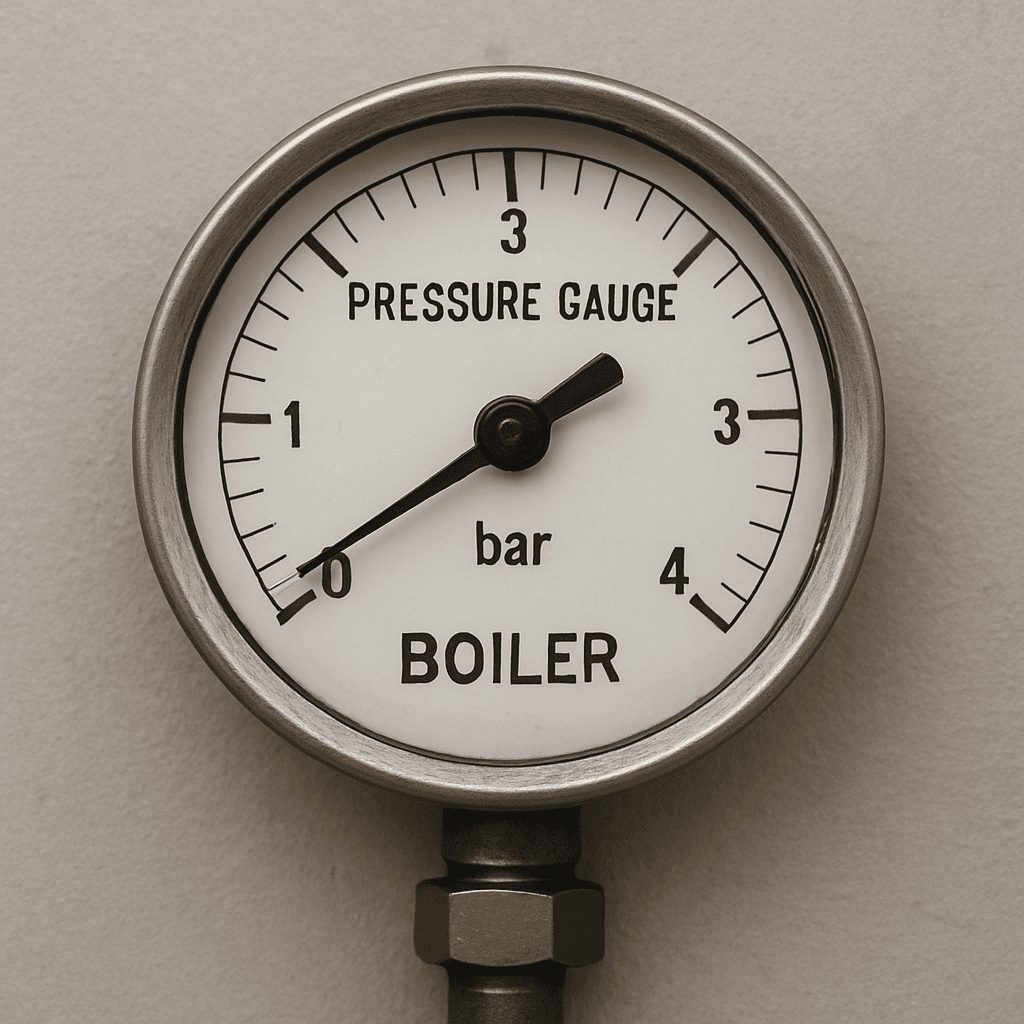
It usually starts subtly. You top up the system once, everything works fine again, and you move on. Then a few weeks later, you need to do it again — and then sooner than that.
Over time, the pattern becomes clear. The system is needing more frequent attention just to keep running properly.
That change is rarely random.
Why This Change Shouldn’t Be Ignored
A sealed central heating system is designed to maintain its pressure and water level. Occasional topping up can happen, but it should not become a regular requirement.
If the frequency is increasing, it usually means the system is no longer holding water as it should.
In simple terms, something is allowing water to escape.
What This Usually Points To
When a system needs repeated topping up, the most common cause is slow water loss somewhere within the heating system.
What typically happens is:
Water escapes gradually from pipework or connections
The system loses pressure or volume over time
You temporarily restore it by topping up
The cycle repeats
This process can continue for some time without any visible signs. You can learn more about these early indicators on our signs of a central heating leak page.
Why It Feels Like It’s “Working”
Because topping up restores pressure, it can feel like the issue has been resolved each time.
In reality, you are temporarily correcting the symptom rather than addressing the cause.
This is why the gap between top-ups often becomes shorter.
How to Spot the Pattern Early
The key is to notice how often intervention is needed.
Ask yourself:
Has the time between top-ups reduced?
Does system performance drop before you top it up?
Are there other signs, such as air in radiators?
These patterns usually indicate that the system is gradually losing stability.
What to Do Next
If your heating system needs topping up more often than before, the focus should be on understanding where the water is going.
In most cases, the next step is to confirm whether water is being lost and identify where it is happening.
You can read more about the investigation process on our how we find central heating leaks page, or view the full service on our Central Heating Leak Detection page.
FAQ
Is it normal to keep topping up a heating system?
No. Occasional topping up may happen, but frequent top-ups usually indicate an issue.
Where does the water go when pressure drops?
It is usually escaping somewhere within the system, often in hidden areas.
Can this happen without a visible leak?
Yes. Many heating leaks occur under floors or behind walls and are not immediately visible.
Will topping up damage the system?
Repeated topping up can introduce fresh water and air, which may affect system stability over time.
Do you only cover my area?
If you’re outside these areas, don’t worry — our team covers most of the South East, providing trusted leak detection services throughout London, Kent, Sussex, and Surrey.
Final Thoughts
If you are topping up your heating system more often than before, it is not just routine maintenance — it is a pattern.
Recognising that pattern early allows you to move beyond temporary fixes and identify what is really affecting your heating system.