

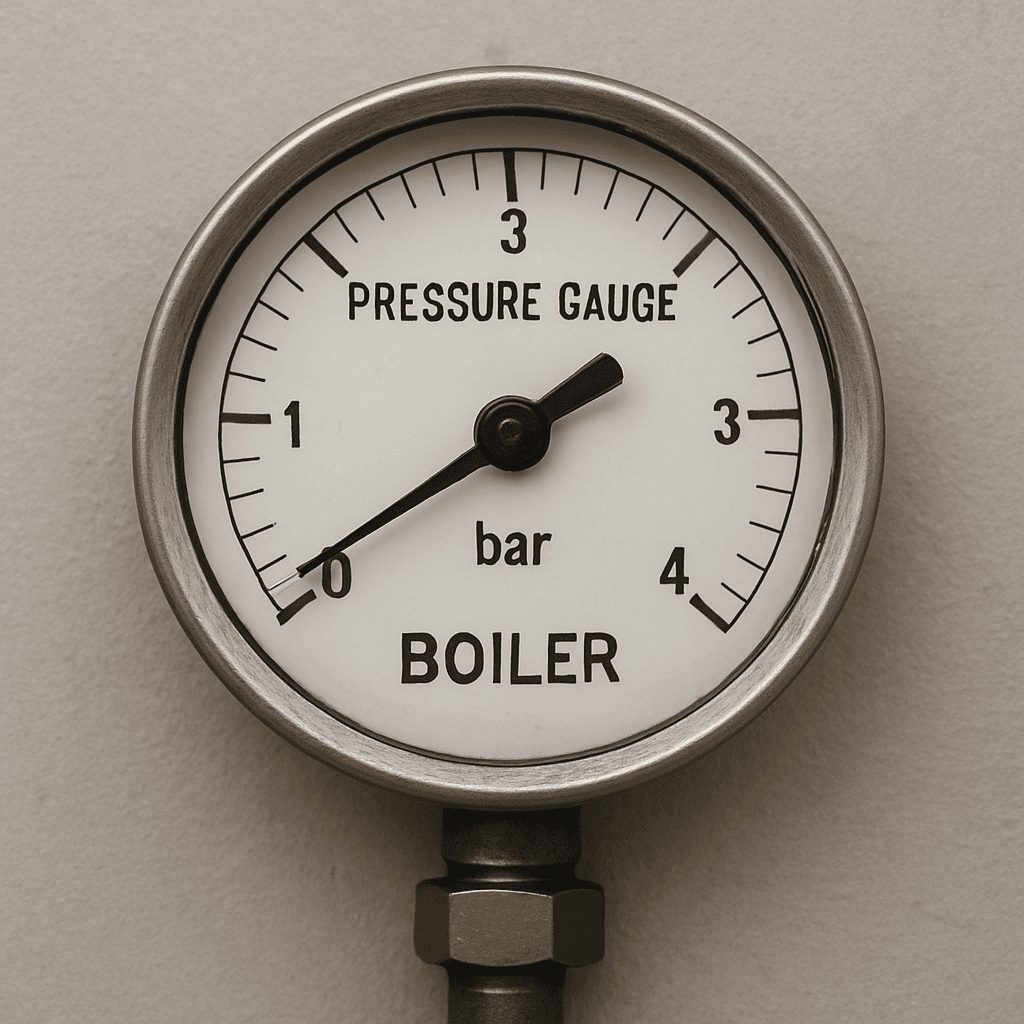
A central heating system is sealed and pressurised, which means it should not lose water under normal conditions. If pressure drops, damp appears, or performance changes, it usually indicates a leak somewhere within the system.
Because most pipework is hidden beneath floors or behind walls, leaks are often difficult to locate without clear signs. Understanding how these leaks develop and where to look is the first step in identifying the problem.
Why finding a heating leak matters
Even a small leak can affect how your heating system operates.
- Boiler pressure drops over time
- Radiators heat unevenly or lose performance
- Damp patches appear on walls or floors
- The system requires repeated topping up
- Components are placed under additional strain
Left unresolved, these issues often become more disruptive and more expensive to repair.
Why leaks are difficult to find
Central heating pipework is rarely visible. Pipes are commonly routed through floors, walls, ceilings, or concrete, meaning water does not always appear where the leak actually exists.
In many cases, water may:
- Evaporate before becoming visible
- Travel along structural elements
- Appear in a different room to the source
- Collect in low points away from the leak
This is why visible damage often leads to the wrong area being investigated first.
Common locations for heating leaks
Leaks can develop anywhere within the system, but some areas are more common than others.
- Radiator valves and connections
- Pipe joints beneath floors
- Pipework running behind walls
- Underfloor heating circuits
- Internal boiler components
Many of these locations are concealed, which is why leaks are often not immediately visible.
Initial checks you can carry out
Before further investigation, there are a few simple checks that can help identify obvious issues.
- Check radiator valves for signs of moisture or staining
- Inspect visible pipework around the boiler
- Look for damp patches or unusual smells
- Monitor how quickly boiler pressure drops
If no visible source is found but pressure continues to fall, the issue is likely within concealed pipework.
How leaks are professionally located
Where leaks are hidden, non-invasive detection methods are used to trace the source accurately.
- Acoustic testing to detect escaping water
- Thermal imaging to identify heat patterns
- Tracer gas testing for precise leak location
- Moisture mapping to track damp spread
These methods allow the leak to be identified without unnecessary damage to floors or walls.
Why guessing often leads to more damage
Without confirming the source, repairs are often based on assumption. This can lead to lifting the wrong floor, opening the wrong wall, or replacing components that are not at fault.
Accurate diagnosis prevents unnecessary disruption and ensures the correct repair is carried out first time.
You can read more about how these leaks develop and behave in our where central heating leaks occur guide.
The takeaway
Central heating leaks are often hidden and rarely appear where the problem actually exists. Pressure loss, performance issues, and subtle signs are usually the first indicators that something is wrong.
Identifying the source early helps prevent further damage and avoids unnecessary disruption during repair.
If your system is showing signs of a leak, our central heating leak detection service can locate the problem accurately and with minimal disruption.