

If you’ve had your internal plumbing checked and no leak has been found, it can leave you in a frustrating position. Something still doesn’t feel right — perhaps your water usage is higher than expected, or you’ve been advised there may still be a problem somewhere.
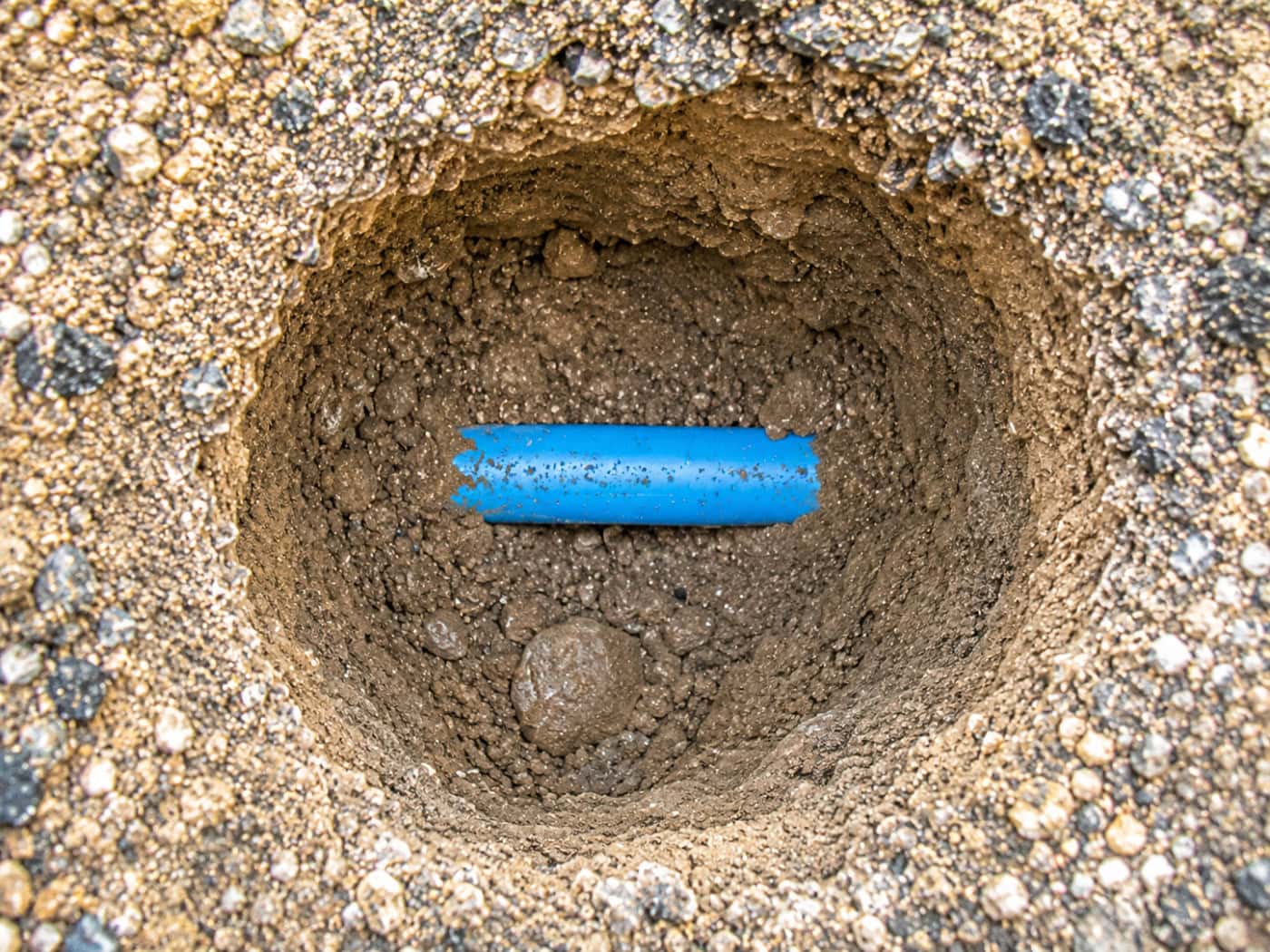
At this point, the focus usually shifts away from inside the property and toward the supply pipe — the underground pipe that runs from your meter into your home.
The question is: should that be tested next?
What it means when internal checks show nothing
When a plumber or inspection rules out internal pipework, it removes a large part of the system from the equation.
This means:
- No visible leaks inside the home
- No issues found with appliances or fittings
- No obvious source of water loss internally
At that stage, attention naturally moves to the section of pipe that isn’t visible — the supply pipe underground.
If you want to understand how these leaks behave and why they’re often missed initially, see mains water leaks explained.
Why the supply pipe becomes the next likely cause
The supply pipe carries water from your meter to your property, and because it’s underground, leaks here often go unnoticed.
This makes it a common next step when internal checks don’t reveal anything.
Typical indicators at this stage include:
- Unexplained water usage
- Advice from a plumber that the issue may be external
- No visible signs of a leak indoors
Although there may not be obvious surface symptoms, the absence of internal issues makes the supply pipe a strong candidate.
Why testing the supply pipe is important
Without testing the supply pipe, you’re left with uncertainty.
Assumptions at this stage can lead to:
- Delays in resolving the issue
- Unnecessary further internal checks
- Ongoing water loss if a leak is present
The Leak Hunter will confirm whether the supply pipe is responsible and pinpoint the exact location of any leak before recommending the right repair approach.
To understand how this is done, visit how we find mains water leaks.
What the testing process involves
Testing a supply pipe is not about guesswork or digging blindly. It’s a controlled process using specialist equipment.
This typically includes:
- Tracing the route of the supply pipe
- Using detection methods to identify water loss
- Pinpointing the exact leak location underground
Once confirmed, the situation becomes much clearer and easier to manage.
What happens if a leak is found
If the supply pipe is confirmed as the source of the issue, the next step is planning the repair.
This may involve:
- Repairing a specific section of pipe
- Replacing part of the supply line if required
- Planning access to minimise disruption
You can read more about this stage here: what happens after a mains water leak is found.
What if no leak is found?
In some cases, testing may confirm that the supply pipe is not the issue.
While that might seem frustrating, it actually provides clarity — allowing you to focus elsewhere with confidence rather than continuing to guess.
The goal is always certainty, not assumption.
Final thoughts
If internal checks have ruled out a leak inside your home, the supply pipe is the logical next step to investigate.
The key is to move forward with proper testing rather than continuing to search in the wrong place.
With accurate detection, you can confirm whether the issue lies underground and take the right action without unnecessary disruption.
To understand how we handle supply pipe investigations from start to finish, visit mains water leak detection.
Frequently asked questions
Do you only cover my area?
If you’re outside these areas, don’t worry — our team covers most of the South East, providing trusted leak detection services throughout London, Kent, Sussex, and Surrey.
Should I test the supply pipe even if I’m not sure?
If internal leaks have been ruled out and there are signs of ongoing water loss, testing the supply pipe is a sensible next step.
Can a supply pipe leak exist without visible signs?
Yes. Because the pipe is underground, leaks can occur without any obvious surface or internal symptoms.
Will testing involve digging?
No. Detection is carried out using non-invasive methods before any repair work is planned.