

If your radiators keep filling with air and need bleeding again and again, it’s not just a minor annoyance — it’s a sign your central heating system is actively pulling in or generating air somewhere.
Radiators are sealed components. Once bled correctly, they shouldn’t keep trapping air. So if you’re repeatedly releasing air and the problem comes back days or weeks later, something deeper is happening inside the system.
In most cases, this points to a hidden fault rather than a simple maintenance issue. Our Central Heating Leak Detection service is designed to pinpoint exactly where and why this is happening — without unnecessary disruption.
What It Actually Means When Radiators Keep Filling with Air
When air keeps appearing in your radiators, it means one of two things is happening:
- Air is being drawn into the system from outside
- Air is being created internally due to system imbalance or chemical reactions
Both situations point to a fault — not normal operation. Heating systems don’t “naturally” keep filling with air over time.
The Real Reasons This Happens
This issue is often misdiagnosed. While bleeding seems to fix it temporarily, the underlying cause is usually one of the following:
- A small leak in the heating system allowing air to enter as pressure drops
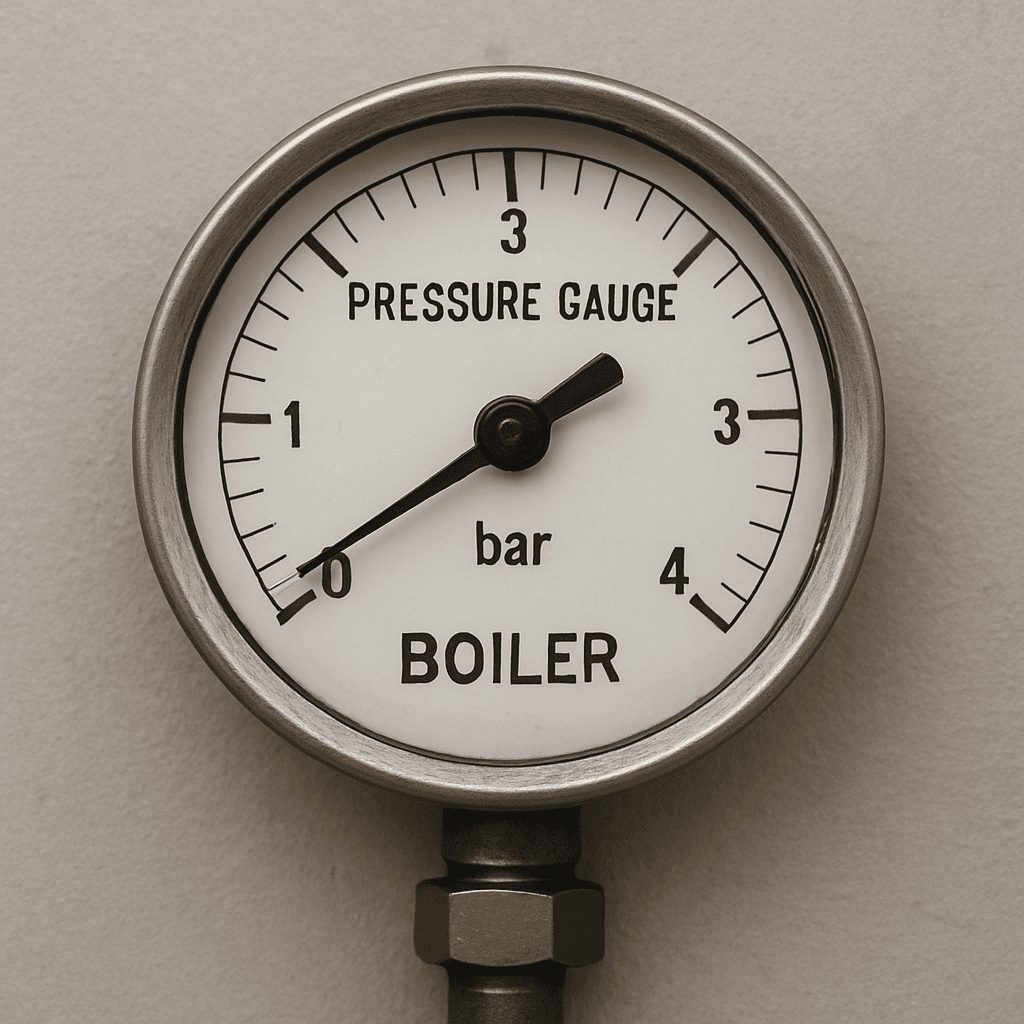
- Pressure loss from the boiler, pulling in air when the system refills
- Faulty components such as pumps, valves, or automatic air vents
- Corrosion inside pipework or radiators, which releases gas into the system
Even a very small leak — often hidden under floors or within walls — can introduce enough air to cause repeated problems without obvious water damage.
How to Recognise This Specific Problem
If air is repeatedly entering your system, you’ll usually notice a pattern rather than a one-off issue:
- Radiators go cold at the top shortly after being bled
- You hear gurgling or bubbling noises when the heating is on
- You need to bleed the same radiators regularly
- Your boiler pressure drops over time
- Heating performance becomes inconsistent across the house
These symptoms often overlap with early-stage leaks. You can explore more indicators here: signs of a central heating leak.
What Most Homeowners Get Wrong
The most common mistake is treating the symptom instead of the cause.
Bleeding radiators removes the air temporarily, but if air keeps coming back, the system is still drawing it in or producing it. Repeating the process doesn’t fix anything — it just masks the issue while it gradually worsens.
How the Problem Is Properly Diagnosed
To stop radiators filling with air, you need to identify exactly where the system is losing pressure or allowing air in.
At The Leak Hunter, we approach this as a diagnostic problem, not a guesswork repair. Using non-invasive methods such as acoustic testing, thermal imaging, and system tracing, we locate the root cause — whether it’s a hidden leak, pressure fault, or failing component.
Once identified, the issue can be resolved properly so the system remains stable, sealed, and air-free.
What to Do If Your Radiators Keep Filling with Air
If you’ve already bled your radiators and the problem keeps returning, it’s time to stop treating it as routine maintenance.
This is a clear sign your heating system needs investigation. Our Central Heating Leak Detection service will identify the cause and resolve it properly — preventing ongoing air build-up, improving heating performance, and avoiding further damage.