

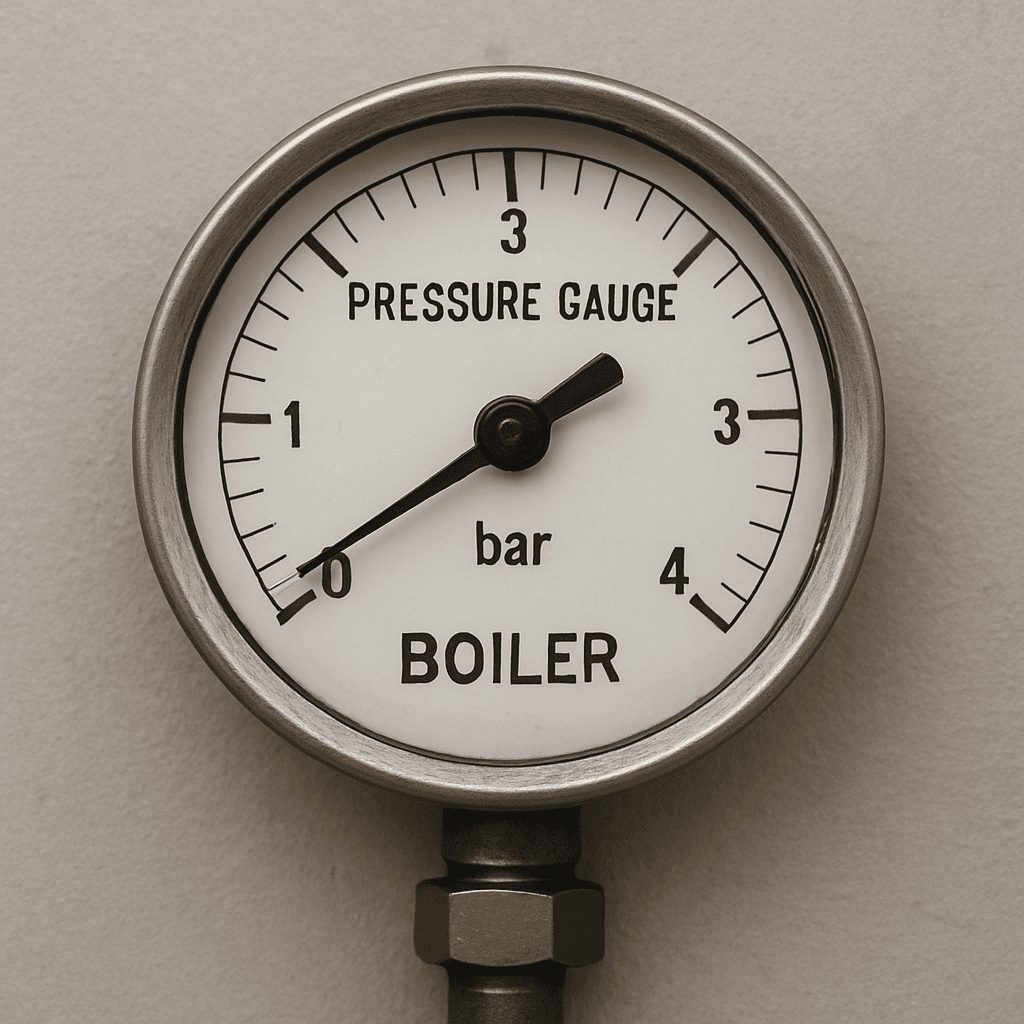
If you’ve noticed that your radiators need bleeding more often than they used to, it’s usually a sign that something has changed within your heating system.
At first, it might seem like routine maintenance. You bleed them, they improve, and everything feels normal again. But when the same issue keeps coming back, it’s no longer just a one-off task.
Why This Change Matters
A central heating system should remain stable once air has been removed. Bleeding radiators occasionally is normal, but needing to do it repeatedly is not.
If the frequency is increasing, it usually means air is being introduced into the system over time.
This is often one of the earliest signs that the system is no longer sealed properly.
What’s Likely Happening Inside the System
When water is lost from the system, even slowly, it disrupts the balance.
As water leaves:
Air is drawn in to replace it
The system becomes less stable over time
Air collects in radiators, especially higher ones
This is why you find yourself needing to bleed them again and again. You can learn more about how these patterns develop on our signs of a central heating leak page.
What Homeowners Often Assume
Many people think frequent bleeding is just part of owning a heating system, particularly in older properties. In reality, a stable system should not continually take in air.
Another common assumption is that each time you bleed the radiators, the problem has been resolved. In most cases, it has only been temporarily improved.
How to Recognise the Pattern
Instead of focusing on each individual bleed, look at how often the issue returns.
Ask yourself:
Are you bleeding the same radiators repeatedly?
Is the time between bleeding getting shorter?
Has anything else changed in how the system behaves?
These patterns often indicate that water is being lost somewhere within the system.
What to Do Next
If your radiators need bleeding more often than before, the focus should be on understanding why air keeps entering the system.
The next step is to confirm whether water is being lost and identify where it is happening.
You can read more about the process on our how we find central heating leaks page, or view the full service on our Central Heating Leak Detection page.
FAQ
Is it normal to bleed radiators regularly?
No. Occasional bleeding is normal, but frequent bleeding usually indicates an underlying issue.
Why does air keep getting into my heating system?
This is often linked to water loss, which allows air to be drawn into the system.
Does this mean I definitely have a leak?
Not always, but repeated air build-up is commonly associated with leaks in the system.
Will bleeding fix the issue permanently?
No. It removes the air temporarily, but it will return if the cause is still present.
Do you only cover my area?
If you’re outside these areas, don’t worry — our team covers most of the South East, providing trusted leak detection services throughout London, Kent, Sussex, and Surrey.
Final Thoughts
If you’re bleeding your radiators more often than before, it’s not just routine maintenance — it’s a pattern.
Recognising that pattern early helps you move from temporary fixes to identifying the real cause behind the issue.