

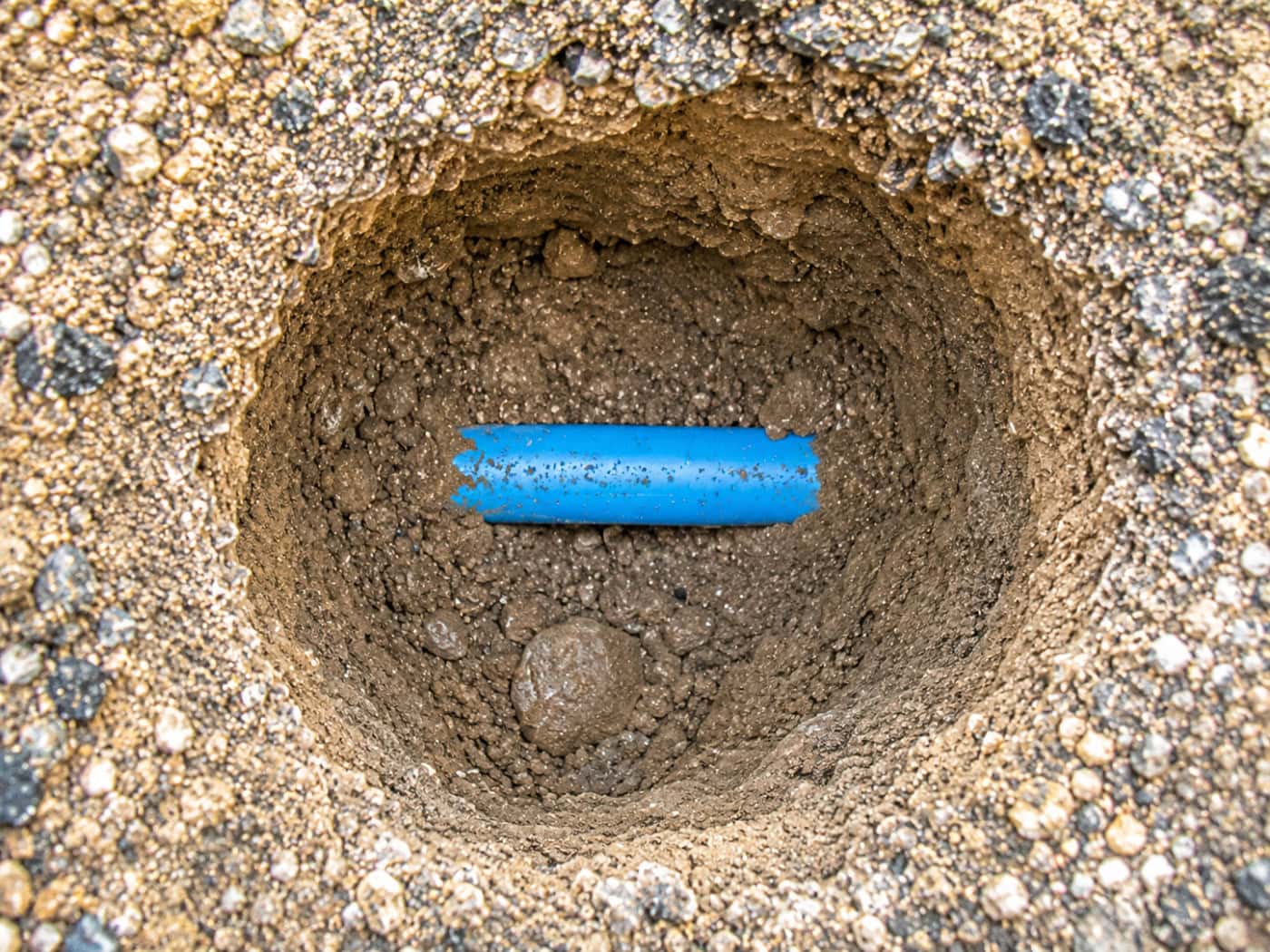
If you’ve been advised to replace an old lead supply pipe, the biggest concern is usually disruption. Homeowners often imagine large areas being dug up, long timelines, and major inconvenience.
In reality, the process is far more controlled than most people expect — especially when it’s properly planned.
The key is understanding what the work actually involves and how it’s managed to keep disruption to a minimum.
Why lead supply pipes are often replaced
Lead pipes are typically found in older properties and can deteriorate over time. Once a leak develops — or the pipe shows signs of weakness — replacement is often considered the most reliable long-term solution.
This is because:
- Lead pipes are more prone to ongoing failure
- Repairs may only solve part of the problem
- Future leaks are more likely as the material ages
If you want to understand how these issues develop, see mains water leaks explained.
What the replacement process involves
Replacing a lead supply pipe doesn’t mean digging up the entire route from the meter to your home.
Instead, the work is planned to be as efficient and targeted as possible.
This typically involves:
- Identifying the best route for the new pipe
- Creating controlled access points where needed
- Installing a new pipe using modern materials
- Disconnecting the old lead pipe safely
The aim is always to minimise the amount of excavation required.
How disruption is kept to a minimum
One of the biggest misconceptions is that replacement means widespread disruption across your property.
In reality, most of the work is focused on specific areas rather than the entire pipe route.
The level of disruption depends on:
- Where the pipe runs (garden, driveway, under structures)
- How accessible the route is
- The chosen method for installing the new pipe
With proper planning, disruption is usually limited to a small number of controlled access points.
What happens to your driveway, garden, or surfaces
If the pipe runs under external areas, some access will be required — but this is typically localised.
This means:
- Only small sections may need to be opened
- Work is carried out in targeted areas
- Surfaces are restored once the installation is complete
The goal is always to leave your property as close as possible to its original condition.
How long does replacement usually take?
Most lead pipe replacements can be completed within a short timeframe once planned properly.
The exact duration depends on:
- The length and route of the pipe
- Access requirements
- Ground conditions
In many cases, the work itself is completed within a day or two, with additional time for reinstatement if needed.
Why proper planning makes the difference
The difference between a disruptive project and a controlled one comes down to planning and precision.
The Leak Hunter will assess your property, identify the most practical route for replacement, and carry out the work in a way that minimises disruption while fully resolving the issue.
To understand how leaks are located before replacement is recommended, visit how we find mains water leaks.
What happens after the replacement
Once the new pipe is installed, the system is checked to ensure everything is working correctly.
This includes:
- Confirming stable water flow
- Ensuring no further leaks are present
- Restoring affected areas of your property
You can read more about this stage here: what happens after a mains water leak is found.
Final thoughts
Replacing a lead supply pipe may sound disruptive, but in most cases it’s a controlled and well-managed process.
With the right approach, the work is targeted, efficient, and designed to minimise impact on your property.
The result is a modern, reliable water supply with far less risk of future issues.
To see how we handle supply pipe replacements from start to finish, visit mains water leak detection.
Frequently asked questions
Do you only cover my area?
If you’re outside these areas, don’t worry — our team covers most of the South East, providing trusted leak detection services throughout London, Kent, Sussex, and Surrey.
Will my whole garden or driveway be dug up?
No. Work is usually limited to specific access points rather than the entire pipe route.
How disruptive is the process?
With proper planning, disruption is kept to a minimum and focused only where necessary.
Is replacing a lead pipe worth it?
In many cases, yes. It provides a more reliable long-term solution and reduces the risk of future leaks.