

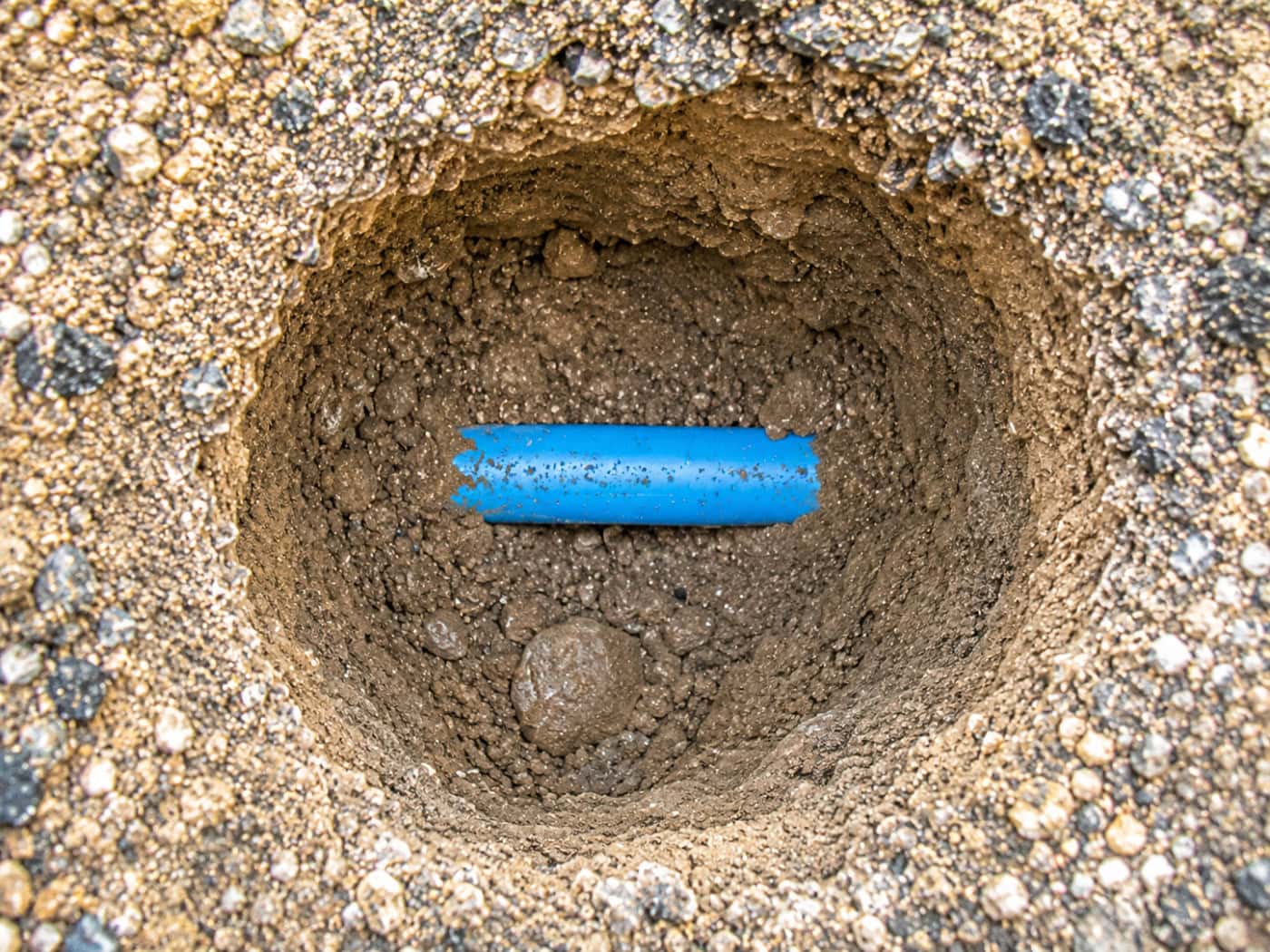
Once a supply pipe leak has been confirmed, most homeowners start thinking about how the repair will affect their property. The idea of digging up driveways, patios, or landscaped areas can be a major concern.
This is where trenchless repair often comes into the conversation. But is it always an option — and is it the right one for your situation?
The answer depends on several factors, including the condition of the pipe and how it runs beneath your property. Understanding when trenchless methods are suitable helps you make a more informed decision.
What trenchless repair actually means
Trenchless repair refers to methods that avoid large-scale excavation by working within or alongside the existing pipe route.
Instead of digging a continuous trench, the work is carried out through controlled access points.
This can significantly reduce disruption, particularly where pipes run under hard surfaces like driveways or extensions.
If you want to understand how supply pipe leaks develop in the first place, see mains water leaks explained.
When trenchless repair may be suitable
Trenchless methods can be a good option when:
The pipe route is difficult to access directly
The surrounding area would be costly or disruptive to excavate
The pipe structure allows for internal or guided repair methods
In these situations, trenchless repair can reduce surface damage and keep the work more contained.
When trenchless repair may not be the best choice
Trenchless repair is not suitable for every leak.
It may not be recommended if:
The pipe is severely deteriorated
The leak location is isolated and easily accessible
A simple local repair would be more effective
In these cases, a targeted excavation and repair may be quicker, more reliable, and more cost-effective.
Why accurate detection is essential first
Before deciding on trenchless repair, the exact location and condition of the pipe must be confirmed.
Without this information:
You don’t know whether the pipe is suitable for trenchless methods
You risk choosing a solution that doesn’t fully resolve the issue
You may end up needing additional work later
At The Leak Hunter, we always start with precise detection to ensure the right approach is taken.
To see how leaks are located before any repair decisions are made, visit how we find mains water leaks.
How the decision is made
The choice between trenchless repair and traditional methods comes down to practicality.
We assess:
The pipe material and condition
The location of the leak
Access to the pipe route
The impact on your property
The goal is always to choose the least disruptive option that will fully resolve the problem.
What happens after the method is chosen
Once the repair approach is agreed, the work can be planned with clarity.
This may involve:
Creating access points at key locations
Carrying out the repair or pipe replacement
Testing the system to confirm the leak is resolved
You can read more about what happens at this stage here: what happens after a mains water leak is found.
Final thoughts
Trenchless repair can be an excellent solution in the right circumstances — but it’s not always the default answer.
The most important step is understanding your specific situation. Once the leak is accurately located and the pipe condition is assessed, the best approach becomes much clearer.
In some cases, trenchless methods offer a less disruptive solution. In others, a simple targeted repair is the better option.
To see how we assess and resolve supply pipe leaks using the most appropriate method, visit mains water leak detection.
Frequently asked questions
Do you only cover my area?
If you’re outside these areas, don’t worry — our team covers most of the South East, providing trusted leak detection services throughout London, Kent, Sussex, and Surrey.
Is trenchless repair always possible?
No. It depends on the condition and layout of the pipe. Some situations are better suited to traditional repair methods.
Will trenchless repair avoid all digging?
It reduces the need for large-scale excavation, but some access points are usually still required.
Is trenchless repair more expensive?
It depends on the situation. In some cases, it can reduce overall costs by minimising disruption and reinstatement work.