

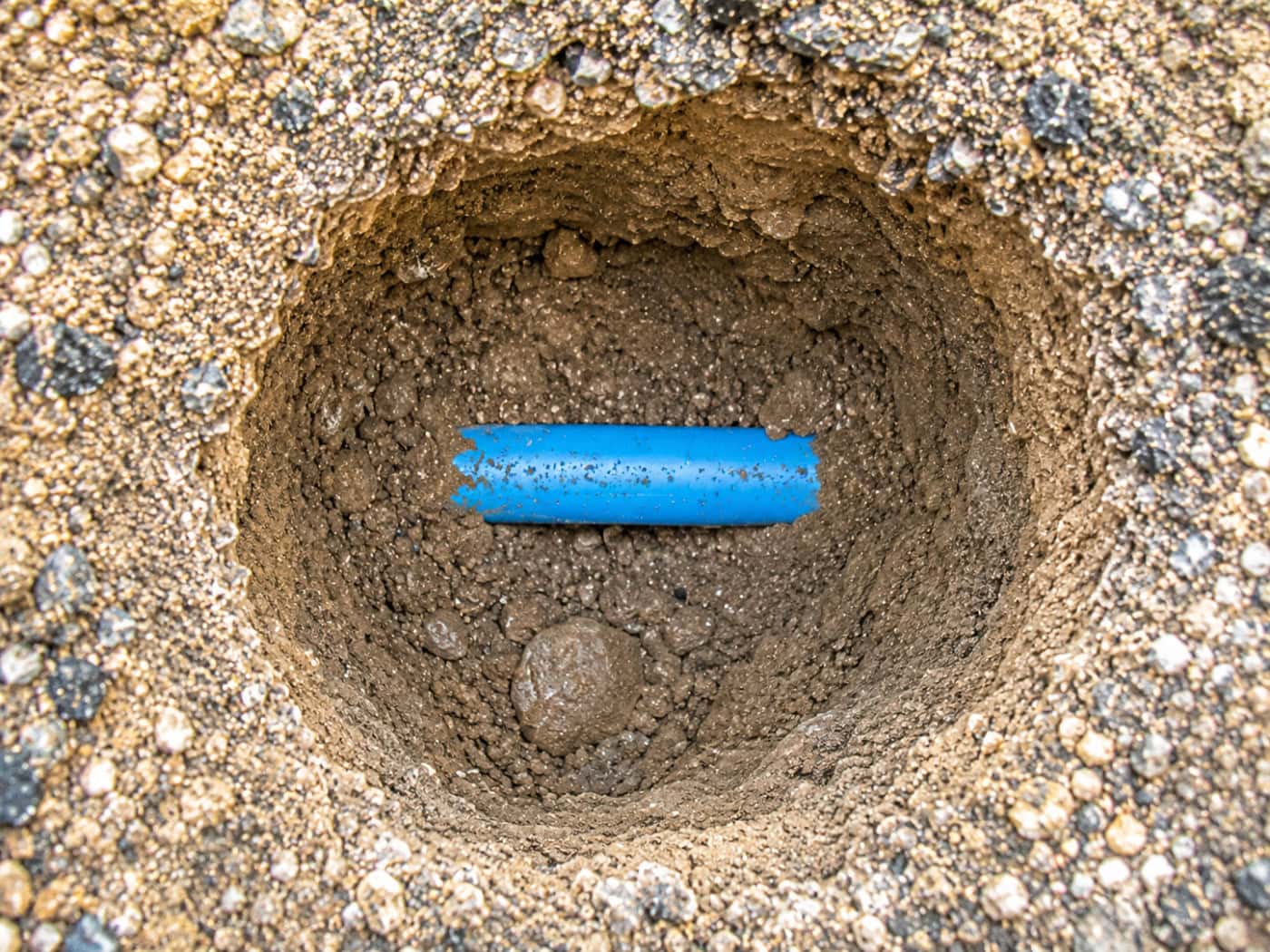
Once a supply pipe leak has been located, most of the uncertainty is gone — but one concern usually remains: how much disruption is this going to cause?
Because the pipe runs underground, homeowners often imagine large sections of their property being affected. In reality, the level of disruption depends on how accurately the leak has been identified and how the repair is planned.
With the right approach, the work is usually far more controlled than expected.
What changes once the leak has been located
Before the leak is found, everything is uncertain. Once it’s located, the situation becomes precise.
This means:
- The exact position of the leak is known
- Access can be planned around that point
- Unnecessary digging is avoided
This is why accurate detection is so important — it directly reduces disruption during the repair.
If you want to understand how leaks are pinpointed before repair begins, see how we find mains water leaks.
Which parts of your property might be affected
The level of disruption depends on where the pipe runs.
Common areas include:
- Driveways or paved areas
- Gardens or lawns
- Paths or external surfaces
In most cases, only the area directly above the leak needs to be accessed.
This means the impact is usually localised rather than widespread.
How disruption is kept to a minimum
The Leak Hunter will always aim to minimise disruption while ensuring the repair is carried out properly.
This involves:
- Accessing only the confirmed leak location
- Keeping excavation as small and controlled as possible
- Planning the work to avoid unnecessary damage
Because the leak has already been pinpointed, the repair does not involve searching or trial-and-error digging.
What the repair work typically involves
Once access is established, the repair itself is usually straightforward.
This may include:
- Exposing a small section of pipe
- Repairing or replacing the damaged part
- Testing the system to confirm the issue is resolved
You can read more about this stage here: what happens after a mains water leak is found.
How long disruption usually lasts
In many cases, disruption is temporary and limited to the duration of the repair.
This depends on:
- The location of the pipe
- The type of surface above it
- The complexity of the repair
Most supply pipe repairs are completed within a short timeframe once everything is planned properly.
What happens after the repair is complete
Once the repair has been carried out, the area is reinstated.
This includes:
- Refilling and securing the ground
- Restoring surfaces where possible
- Leaving the area tidy and stable
The goal is to return your property as close as possible to its original condition.
What homeowners often worry about
It’s common to expect worst-case disruption — large areas being dug up or long periods of inconvenience.
In reality:
- Most repairs are localised
- Work is controlled and planned
- Disruption is usually much less than expected
The key difference is whether the leak has been accurately located before work begins.
Final thoughts
If your supply pipe leak has been located, you’re already past the most uncertain stage.
The focus now is on carrying out a controlled, efficient repair with minimal disruption.
The Leak Hunter will confirm the exact location, plan the most practical access, and carry out the repair in a way that protects your property while fully resolving the issue.
To see how we manage supply pipe leaks from detection through to repair, visit mains water leak detection.
Frequently asked questions
Do you only cover my area?
If you’re outside these areas, don’t worry — our team covers most of the South East, providing trusted leak detection services throughout London, Kent, Sussex, and Surrey.
Will large areas of my property be affected?
Usually not. Work is typically limited to the specific area where the leak is located.
How disruptive is the repair?
In most cases, disruption is short-term and controlled, especially when the leak has been accurately located.
Can disruption be avoided completely?
Some access is usually required, but accurate detection helps keep it as minimal as possible.