

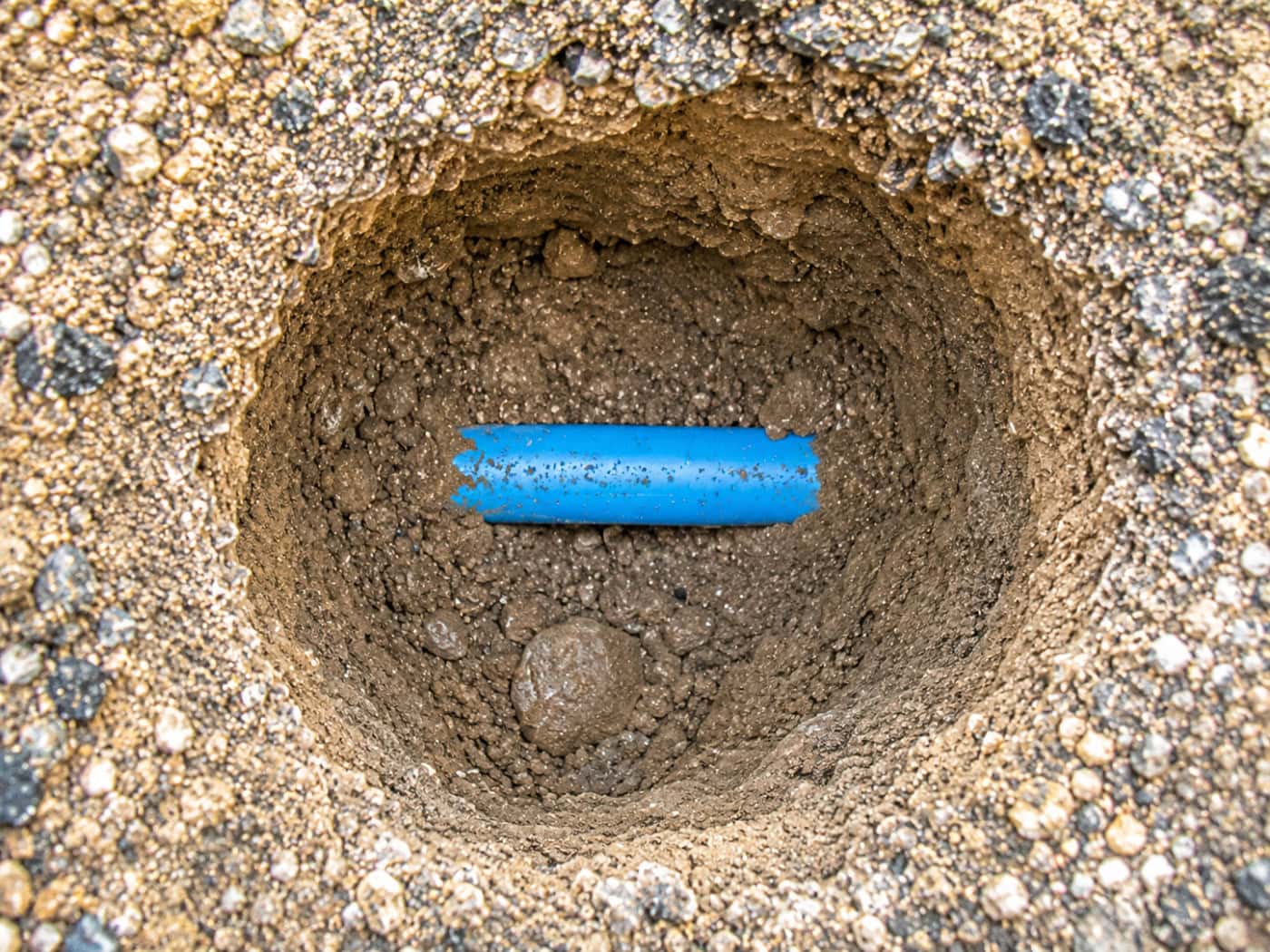
For many homeowners, the shock is not just being told there may be a leak.
It is seeing how much water is apparently being lost.
The water company may contact you about:
- continuous flow
- abnormal meter readings
- high overnight usage
- unexpected consumption spikes
- possible hidden leakage
Then comes the confusing part.
There is:
- no flooding
- no burst pipe
- no major damp
- no obvious water escaping anywhere
That often leaves homeowners asking:
“If this much water is leaking, where is it actually going?”
In many cases, hidden water leaks can lose surprisingly large amounts of water while remaining almost completely concealed.
Why Hidden Leaks Can Lose So Much Water
One of the biggest misconceptions with concealed leaks is that major water loss should always create obvious visible damage immediately.
But hidden leaks often behave very differently from visible burst pipes.
Water may be escaping:
- underground
- beneath floors
- inside wall cavities
- below concrete slabs
- along concealed incoming water supplies
- through hidden pipe routes
Where water disperses gradually into surrounding ground or building materials, substantial leakage can continue for long periods before visible signs eventually appear.
Why the Water Meter May Show Continuous Usage
Many homeowners first discover the problem because the water meter continues moving even when no taps or appliances are being used.
This often suggests:
- continuous water loss
- a hidden leak somewhere within the system
- ongoing underground leakage
- concealed plumbing failure
Even relatively small hidden leaks can waste very large amounts of water over time if they continue running continuously in the background.
Where Could the Water Actually Be Going?
This is usually the most frustrating part of the situation.
Many homeowners expect to see obvious flooding if large amounts of water are being lost.
But concealed leaks often allow water to:
- soak into surrounding soil underground
- spread beneath concrete floors
- travel inside cavities
- follow hidden structural routes
- disperse beneath driveways or outside areas
Some underground leaks may lose water for weeks or months before visible surface symptoms eventually develop.
Others remain hidden almost entirely while meter readings continue increasing.
Could the Leak Be Outside?
Yes.
Some of the largest hidden water losses occur on underground supply pipes between the water meter and the property itself.
These leaks can be particularly difficult to identify visually because the escaping water often disperses underground rather than surfacing immediately.
Signs may include:
- constant meter movement
- higher water bills
- soft ground outside
- patches of unusually green grass
- water pooling during dry weather
- reduced water pressure
However, in some situations there may still be very little visible evidence above ground.
Could the Leak Be Inside the Property?
Yes.
Not all hidden leaks occur externally.
Internal concealed leaks can also lose substantial amounts of water while remaining difficult to identify.
This may involve:
- pipework beneath floors
- hidden bathroom supplies
- wall cavity plumbing
- concealed incoming water supplies
- pipework beneath concrete floors
- hidden plumbing routes
Some leaks only become visible once moisture has already travelled through surrounding materials for a prolonged period.
Why “High Usage” Is Different From “Leak Located”
Water companies are often able to identify unusual consumption patterns or confirm continuous flow through smart meter monitoring and usage analysis.
However, confirming water loss is not the same as accurately locating the leak itself.
Professional non-invasive leak detection often involves specialist investigation methods designed to narrow down exactly where water is escaping within concealed systems.
This may include:
- acoustic leak tracing
- thermal imaging
- tracer gas testing
- pressure testing
- sectional isolation testing
- moisture investigation
Some leaks are relatively straightforward to trace. Others require a much more detailed diagnostic process, particularly where underground or concealed pipework is involved.
Why Specialist Mains Water Leak Detection May Still Be Needed
Once unusual water usage has been confirmed but the exact source remains unclear, specialist investigation is often the next stage.
Professional non-invasive mains water leak detection focuses on locating concealed water loss within:
- underground supply pipes
- incoming water supplies
- concealed plumbing systems
- concrete floors
- wall cavities
- hidden pipe routes
The Leak Hunter carries out specialist non-invasive mains water leak detection across concealed water systems and hidden plumbing infrastructure.
As a WaterSafe Register registered company, we investigate difficult-to-find leaks using specialist diagnostic methods designed to identify the source accurately while minimising unnecessary disruption.
You can learn more about professional mains water leak detection and how concealed leaks are professionally traced before repairs begin.
Frequently Asked Questions
Can a hidden leak really lose that much water?
Yes. Even relatively small concealed leaks can waste large amounts of water over time if they continue flowing continuously.
Why is there no visible flooding?
Hidden leaks often disperse underground, beneath floors, or inside cavities where water may remain concealed for long periods.
Does continuous meter movement always mean there is a leak?
Not always, but unexplained continuous movement often strongly suggests ongoing water loss somewhere within the plumbing or supply system.
Can underground supply pipe leaks stay hidden?
Yes. Underground leaks frequently disperse into surrounding soil or beneath hard surfaces before visible signs eventually appear.
What happens after a hidden leak is located?
Once the source is identified accurately, the appropriate repair approach can then be planned based on the location, accessibility, and condition of the affected pipework.