

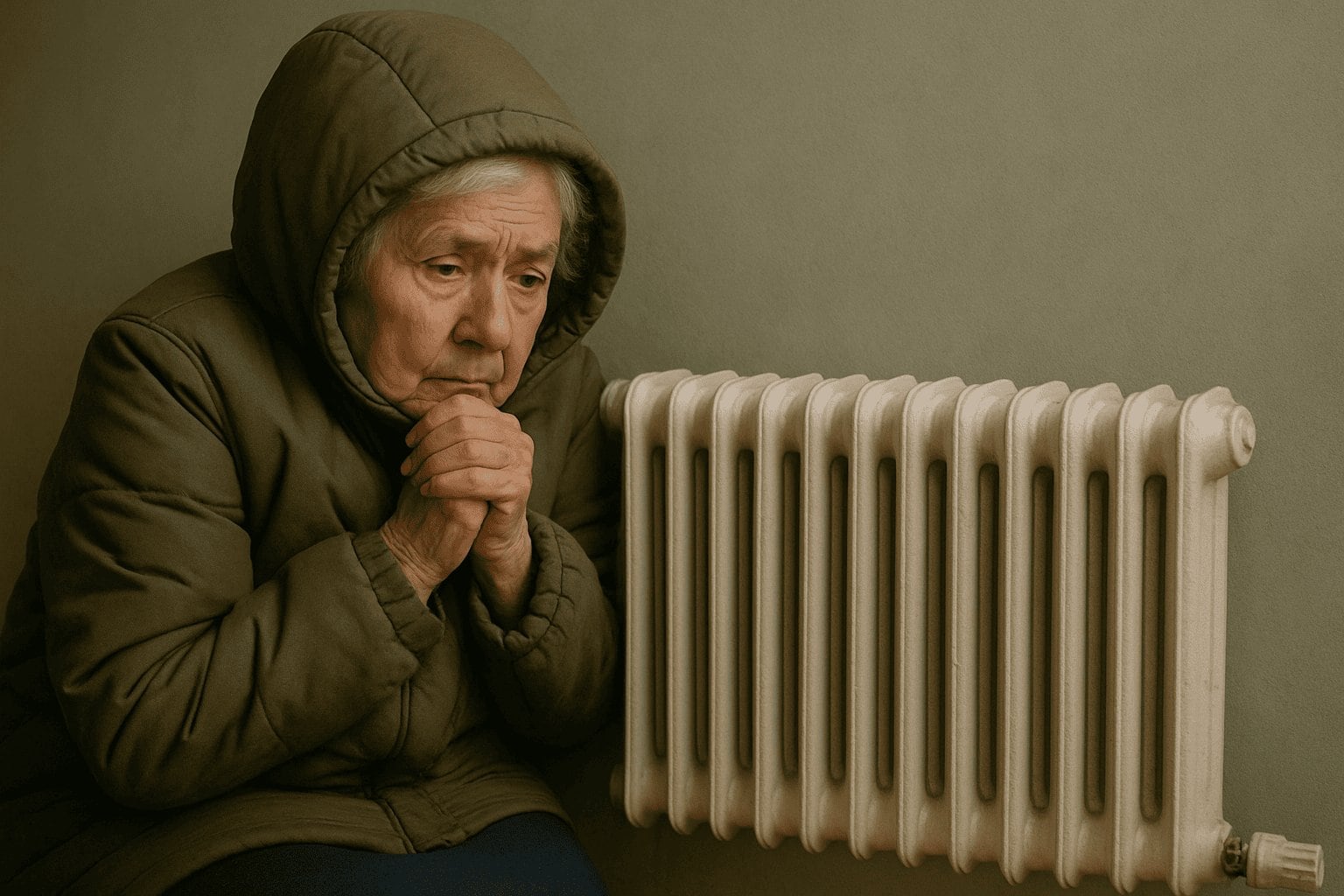
If your radiators feel hot but your home still feels cold, it usually means the heating system is working — but not distributing heat effectively. This can be confusing, as the boiler appears fine and radiators seem to be doing their job.
In most cases, this isn’t a complete heating failure. It’s a sign that something within the system is limiting how heat is being delivered or retained.
What this usually means
When radiators are hot but rooms remain cold, the issue typically falls into one of three areas:
- Heat is not circulating evenly through the system
- Heat is not being transferred efficiently into the room
- Heat is escaping from the property faster than it’s produced
Understanding which of these is happening is the key to identifying the cause.
Uneven heat distribution
One of the most common reasons is an unbalanced system. Some radiators receive more hot water than others, meaning certain rooms heat quickly while others stay cold.
This often develops gradually and is frequently mistaken for a fault with individual radiators.
Poor circulation within the system
Radiators can feel hot but still fail to warm a room if water is not circulating efficiently. This can happen when:
- Flow is restricted within pipework
- Air is disrupting circulation
- System pressure is not stable
In these cases, heat is present — but not moving effectively through the system.
Sludge or internal restrictions
Over time, heating systems can build up sludge and corrosion. This restricts water flow and reduces how effectively radiators transfer heat into the room.
The result is often warm radiators but poor overall heating performance.
Boiler pressure and system stability
Low or unstable pressure can also reduce circulation. Even if radiators heat up, the system may struggle to maintain consistent heat across the property.
If this issue appears alongside pressure drops or frequent topping up, it may indicate a deeper problem within the system.
When hidden issues are involved
If the problem keeps returning, it’s often not just a balancing or airflow issue.
Recurring symptoms can point to:
- Small leaks affecting system pressure
- Air entering through failing pipework or joints
- Ongoing system instability rather than a one-off fault
These issues can develop slowly, which is why the heating may appear to work while performance gradually declines.
Heat loss within the property
Sometimes the system is working correctly, but heat is escaping too quickly.
This is more noticeable in properties with:
- Poor insulation
- Draughts around windows and doors
- Uninsulated floors or walls
In these cases, radiators may be hot but unable to maintain room temperature.
Why the problem often gets worse over time
What starts as uneven heating can gradually develop into wider system issues. Reduced circulation, pressure instability, and internal build-up all tend to worsen if left unaddressed.
This is why symptoms like this often appear before more obvious faults, such as pressure loss or radiator failure.
The takeaway
If your radiators are hot but your home still feels cold, the system is producing heat but not delivering it effectively. While the boiler may appear to be working normally, the underlying issue is usually within circulation, balance, or system stability.
If the problem keeps returning or is combined with pressure drops, it may indicate a hidden issue within the heating system. Our central heating leak detection service can pinpoint the cause without unnecessary disruption, and our signs of a central heating leak explains how concealed problems are identified.