

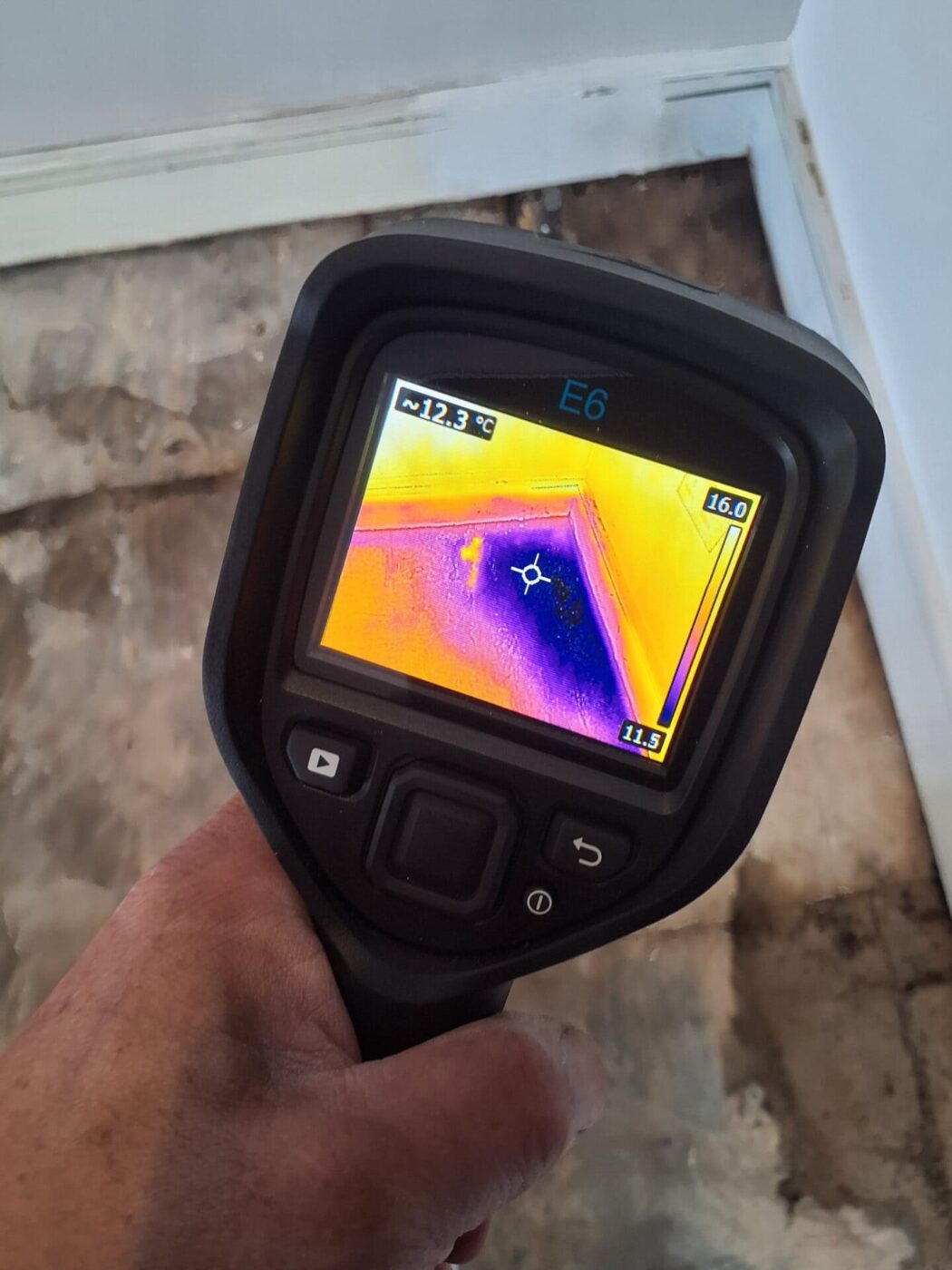
Most homeowners only encounter WaterSafe Register after a hidden leak, supply pipe issue, or plumbing problem affects their property.
At that point, the immediate concern is usually stopping the leak quickly and preventing further damage. But professional leak detection often involves far more than simply locating escaping water.
Many leaks affect concealed potable water systems, underground supply pipes, incoming mains water supplies, and hidden plumbing infrastructure that must be repaired and safely reinstated afterwards.
This is one reason choosing a WaterSafe registered contractor matters during leak detection.
Leak detection often involves hidden potable water systems that may remain concealed long after repairs are completed. This makes correct diagnosis, compliant repairs, and recognised workmanship standards particularly important.
What Is WaterSafe Register?
WaterSafe Register is an approved contractor scheme that helps homeowners identify qualified, vetted, and properly insured contractors working on drinking water systems.
The scheme exists to support recognised plumbing standards and help protect potable water systems across the UK.
For homeowners, using a WaterSafe registered contractor provides additional reassurance that work affecting drinking water systems is being carried out to recognised industry standards.
Why Leak Detection Often Involves More Than Finding the Leak
Professional leak detection is not simply about locating escaping water.
Correct diagnosis also helps determine:
- Whether the leak affects internal plumbing or the incoming supply pipe
- How pipework should be safely accessed
- What repair method is appropriate
- How the system should be correctly reinstated afterwards
- Whether the repair affects potable water systems or underground infrastructure
Incorrect diagnosis can lead to unnecessary excavation, repeated disruption, hidden plumbing problems returning later, or repairs that fail to resolve the underlying issue properly.
You can learn more about professional leak detection and how specialist investigations help identify concealed plumbing problems accurately before repairs begin.
Why WaterSafe Registration Matters During Supply Pipe Repairs
Many homeowners associate WaterSafe Register purely with plumbing work inside the home.
In reality, WaterSafe registered contractors may also carry out work involving underground supply pipes, incoming mains water systems, and external potable water infrastructure.
This becomes particularly important where leak detection involves:
- External supply pipe leaks
- Underground pipe repairs
- Boundary stopcock issues
- Incoming mains water supplies
- Potable water pipe reinstatement
Because these systems remain permanently connected to the drinking water entering the property, repairs need to be carried out using compliant methods and approved materials suitable for potable water systems.
Why Approved Standards Matter During Hidden Leak Repairs
Many leak repairs remain hidden beneath floors, behind walls, or underground once the work is complete.
Most homeowners will never directly see the quality of a concealed plumbing repair once floors are reinstated or pipework is buried underground again.
This makes workmanship standards particularly important during leak detection and repair work.
WaterSafe registered contractors work to recognised standards designed to help protect:
- Long-term plumbing reliability
- Potable water systems
- Underground supply infrastructure
- Safe reinstatement methods
- Approved plumbing materials and fittings
Stopping the visible leak is only part of the process. The quality of the repair and reinstatement work matters just as much long term.
Why Hidden Leak Repairs Need Long-Term Reliability
Unlike visible plumbing repairs, many concealed leak repairs cannot easily be monitored once the property is reinstated.
Pipework beneath floors, underground, or inside walls may remain inaccessible for years afterwards.
This means poor workmanship or unsuitable materials can create future problems that are expensive and disruptive to access again later.
Where standards are not followed correctly, problems can include:
- Repeat leaks caused by poor pipe connections
- Incorrect underground reinstatement
- Hidden corrosion within repaired pipework
- Premature fitting failure
- Additional excavation work later
- Repeated disruption to finished surfaces
Because concealed plumbing systems are difficult to inspect once reinstated, long-term reliability becomes a critical part of professional leak repair work.
What Can Go Wrong With Poor Leak Repairs?
Many hidden plumbing problems only become visible months after repairs have been completed.
Where leak repairs are carried out incorrectly, issues may include:
- Recurring leaks beneath floors or behind walls
- Incorrect fittings installed on potable water systems
- Repeated excavation caused by failed underground repairs
- Hidden plumbing joints failing later
- Unnecessary disruption caused by inaccurate diagnosis
- Pipework incompatibility problems between old and new materials
This is one reason specialist leak investigation matters before repair work begins. Correct diagnosis helps ensure the correct section of pipework is repaired properly the first time.
Why Recognised Contractor Schemes Matter to Homeowners
Most homeowners simply want confidence that anyone working on concealed plumbing systems is competent, compliant, and working to recognised standards.
That includes confidence that contractors are:
- Properly qualified
- Using approved materials
- Following recognised repair methods
- Protecting potable water systems correctly
- Carrying out compliant reinstatement work
Recognised contractor schemes help reinforce accountability and workmanship standards within safety-critical water systems.
In many ways, this works similarly to how homeowners view Gas Safe registration for gas systems. The standards themselves may be technical, but the purpose is straightforward: protecting safety, workmanship quality, and long-term system reliability.
What This Means for The Leak Hunter
The Leak Hunter carries out specialist non-invasive leak detection across concealed plumbing systems, underground supply pipes, and hidden water infrastructure.
As a WaterSafe Register registered company, our work is carried out with a strong focus on recognised standards, compliant repairs, and the protection of potable water systems.
That includes not only locating leaks accurately, but also understanding how systems should be safely repaired and properly reinstated afterwards.
Frequently Asked Questions
What is WaterSafe Register?
WaterSafe Register is an approved contractor scheme that helps homeowners identify qualified and properly vetted contractors working on potable water systems.
Does WaterSafe Register apply to underground supply pipes?
Yes. WaterSafe registered contractors may carry out work involving underground supply pipes, incoming mains water systems, and potable water infrastructure.
Why does WaterSafe registration matter during leak detection?
Leak detection often involves concealed potable water systems and underground pipework that must be repaired and reinstated correctly afterwards.
Why are hidden leak repairs different?
Many concealed plumbing repairs remain inaccessible once floors, walls, or external surfaces are reinstated, making workmanship quality and long-term reliability especially important.
Can poor leak repairs cause future problems?
Yes. Poor workmanship can lead to recurring leaks, hidden pipe failures, repeat excavation work, corrosion problems, and unnecessary disruption later.