

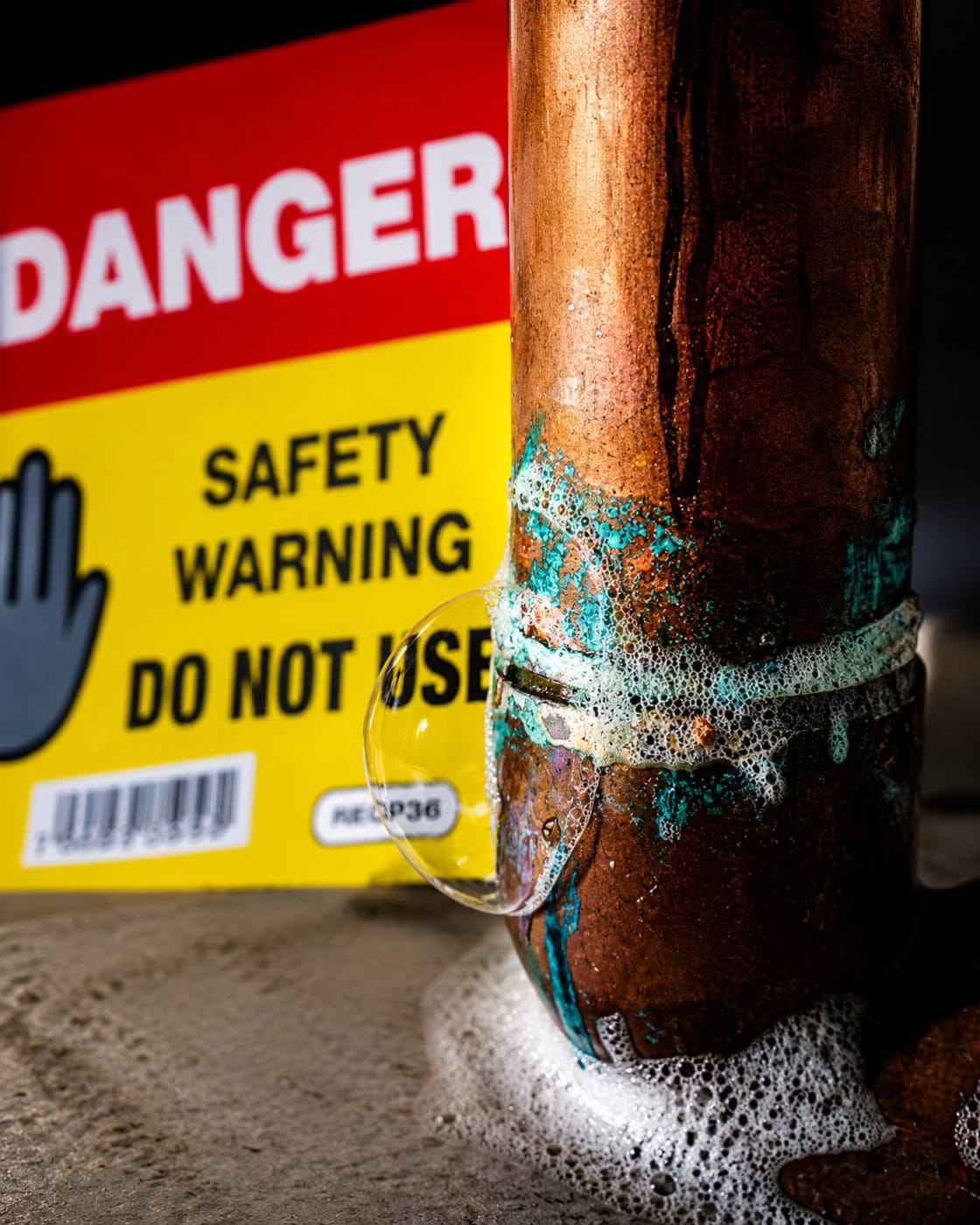
Most homeowners only think about Gas Safe registration after a gas leak has already disrupted the property.
The gas supply may have been capped off by the network operator, heating and hot water may no longer be working, and there is often uncertainty about what happens next.
At that point, professional gas leak detection involves far more than simply finding where gas is escaping from a pipe.
Gas leak detection is not only about locating escaping gas. The system must also be repaired, pressure tested, and safely recommissioned before it can legally return to use.
This is why Gas Safe registration matters so much during gas leak detection and repair work.
Why Gas Leak Detection Is Different From Standard Plumbing Leaks
Unlike water leaks, gas leaks involve live gas systems that must be handled safely and legally.
Gas pipework cannot simply be opened, altered, repaired, or recommissioned without the correct qualifications and legal authority.
This becomes particularly important once a gas supply has been isolated or capped off.
At that stage, the property may be left without:
- Heating
- Hot water
- Gas cooking appliances
- Full use of the gas system
Professional gas leak detection therefore involves both locating the leak accurately and safely restoring the system afterwards.
Why Gas Work Is Legally Restricted
Work involving live gas systems is legally restricted within the UK.
Only a Gas Safe registered engineer can legally:
- Repair live gas pipework
- Carry out gas tightness testing
- Purge gas systems safely
- Recommission gas appliances
- Restore gas supplies into operation
- Carry out work on live gas installations
These legal requirements exist to help protect homeowners, occupants, and properties from unsafe gas work.
Once a gas leak has been identified, the system must still be repaired, tested, and safely reinstated before appliances can legally return to operation.
Why Concealed Gas Leaks Require Specialist Investigation
Many gas leaks are not immediately visible or easy to locate.
Some occur:
- Beneath floors
- Underground
- Inside walls or structural voids
- Within concealed pipe routes
- Inside older or modified gas systems
Concealed gas leaks often require specialist tracing methods and pressure-loss diagnostics that go beyond standard appliance servicing or installation work.
This is one reason specialist gas leak detection differs significantly from general gas engineering work.
Professional investigation may involve:
- Pressure-loss testing
- Sectional isolation testing
- Concealed gas pipe tracing
- Underground gas leak investigation
- Diagnostic testing across hidden gas systems
You can learn more about specialist leak detection and how concealed gas leaks are professionally investigated before repairs begin.
Why Detection Alone Does Not Fully Resolve the Problem
Some leak detection companies may only trace gas leaks on systems that have already been isolated or capped off.
However, locating the leak is only one stage of the process.
Once the leak has been identified, the system may still require:
- Repair work on live gas pipework
- Pressure and tightness testing
- Safe reinstatement of the gas supply
- Appliance recommissioning
- Safety verification before the system can legally return to use
Only a Gas Safe registered engineer can legally carry out this work on live gas systems.
Why Correct Diagnosis Matters During Gas Leak Investigation
Professional gas leak detection is not simply about identifying the general area of escaping gas.
Correct diagnosis also helps determine:
- Which section of pipework is affected
- Whether the leak is internal or underground
- Whether isolation of part of the system is possible
- How repairs should be safely carried out
- How heating and appliances may be safely restored afterwards
Incorrect diagnosis can lead to unnecessary pipe replacement, avoidable disruption, repeated testing, or repairs that fail to resolve the underlying problem properly.
Why Recommissioning Matters After a Gas Leak
Once repairs are complete, the gas system still needs to be tested and safely recommissioned before normal use can resume.
This may involve:
- Tightness testing the repaired system
- Purging air safely from the pipework
- Checking appliances operate correctly
- Verifying the safety of the reinstated system
- Restoring heating and hot water safely
In some situations, sections of the gas system may also be isolated strategically to allow parts of the heating system to remain operational while repairs are carried out.
This can become particularly important during colder weather where homeowners may otherwise be left without heating or hot water for extended periods.
Why Hidden Gas Leak Repairs Need Long-Term Reliability
Many gas leaks occur within concealed pipework systems that remain inaccessible once repairs are completed.
Pipework beneath floors, underground, or inside walls may not be directly visible again for many years afterwards.
This means:
- Correct diagnosis matters
- Repair quality matters
- Testing procedures matter
- Safe recommissioning matters
- Long-term system reliability matters
Stopping the gas leak itself is only part of the process. Safe reinstatement and long-term reliability are equally important once concealed systems are closed again.
What This Means for The Leak Hunter
The Leak Hunter carries out specialist non-invasive gas leak detection across concealed gas systems, underground gas pipework, and hidden gas infrastructure.
As Gas Safe registered engineers, we can not only locate difficult-to-find gas leaks, but also legally repair live gas systems, test the pipework correctly, and safely recommission appliances afterwards.
That means homeowners are not left at the detection stage alone. The full repair and reinstatement process can be managed safely and compliantly from diagnosis through to recommissioning.
Frequently Asked Questions
Can anyone repair a gas leak?
No. Only a Gas Safe registered engineer can legally work on live gas systems, carry out repairs, and recommission gas appliances.
Why are concealed gas leaks difficult to find?
Many gas leaks occur beneath floors, underground, or within concealed pipe routes that require specialist tracing methods and pressure-loss diagnostics to locate accurately.
What happens after a gas leak is found?
Once the leak has been identified, the affected pipework may need repairing, pressure testing, and safely recommissioning before the gas supply can legally return to operation.
Can heating sometimes remain operational during repairs?
In some situations, sections of the gas system may be isolated strategically to allow heating or hot water to remain available safely during repair work.
Why is recommissioning important after a gas leak?
Gas systems must be tested and verified safely after repairs are completed to ensure appliances and pipework can legally and safely return to operation.