

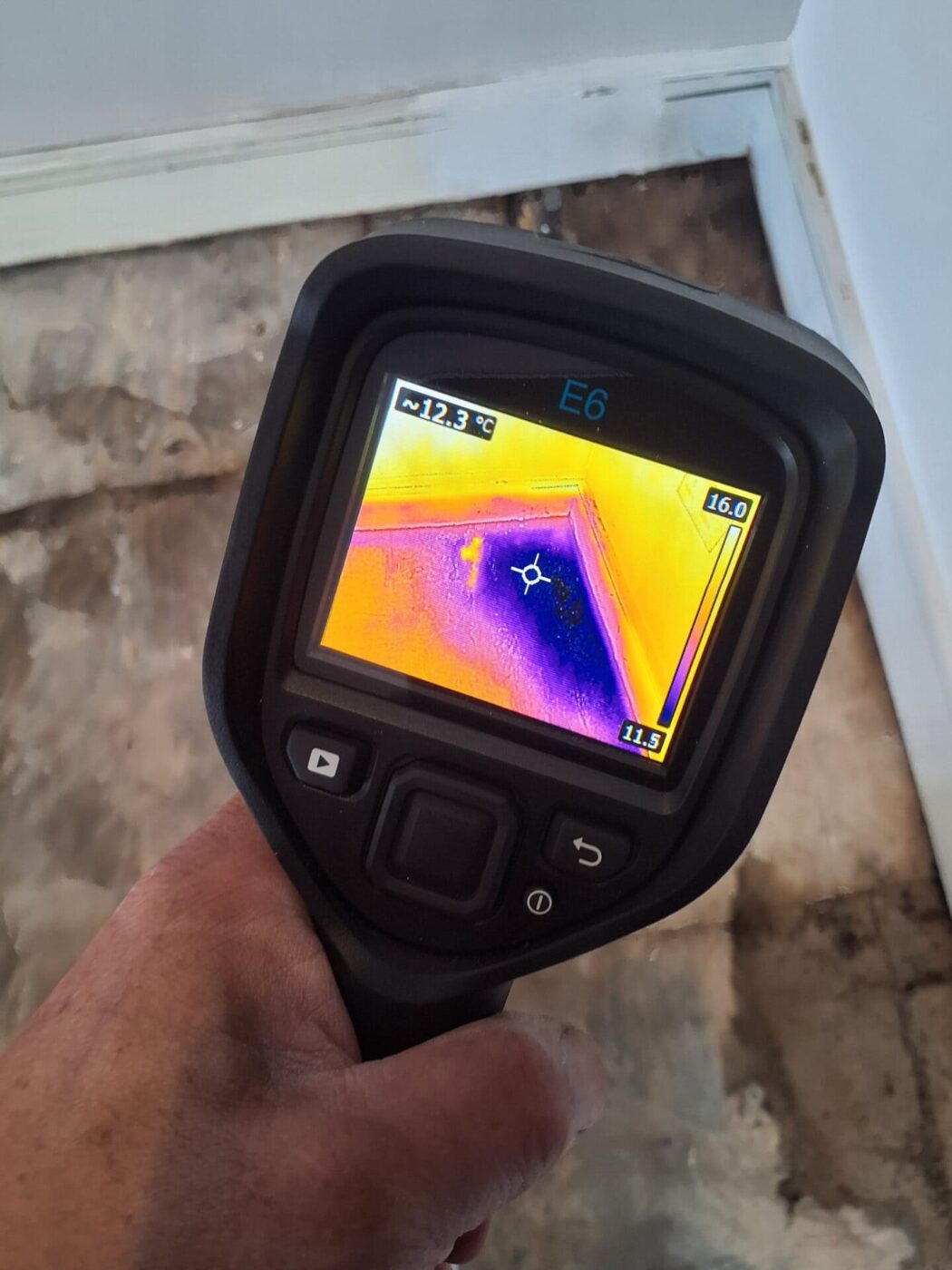
If you’ve been told you need trace and access work, one of the first concerns is how much of your home will need to be opened up. It’s a completely natural reaction. The idea of floors being lifted or walls being opened can feel like the problem is about to get worse, not better.
In reality, when this stage is handled properly, the level of disruption is usually far less than people expect. The key difference is whether the access is guided by accurate leak detection or carried out without clear information.
Why Trace and Access Doesn’t Mean Large-Scale Damage
Trace and access only takes place once the leak has already been located. This means the area that needs to be opened is known in advance, rather than guessed.
Instead of lifting large sections of flooring or opening multiple areas, the work is focused on a precise point. This significantly reduces the amount of disruption compared to traditional trial-and-error approaches.
You can read a full explanation of this process on our trace and access leak detection explained page.
What Typically Needs to Be Opened?
The exact area depends on where the leak is located. In most cases, this involves a small section of flooring, part of a wall, or a localised ceiling opening.
For underground or external leaks, it may involve accessing a specific section of ground rather than large-scale digging.
The goal is always the same: reach the pipe or fault with as little disruption as possible.
Why Detection Comes First
Without accurate detection, access work can become unpredictable. Floors may be lifted in the wrong place, walls opened unnecessarily, and the overall disruption increases.
By locating the leak first, the access stage becomes controlled and efficient. It ensures that only the required area is exposed and nothing more.
How Controlled Access Protects Your Property
Professional trace and access work is designed to minimise impact. This means avoiding unnecessary removal, reducing the size of the opening, and ensuring the work is based on confirmed findings.
At The Leak Hunter, we do not rely on guesswork. Every access point is chosen based on clear evidence, which keeps both disruption and cost under control.
What Happens After the Area Is Opened?
Once the pipe or system is exposed, the leak can be repaired or replaced. The system is then tested to make sure the issue has been fully resolved.
After this, the area can be reinstated as part of the final stage of the process. You can learn more about this in our guide to what happens after a leak is found.
Why Acting Early Reduces Disruption
Delaying trace and access can often lead to more damage over time. As the leak continues, moisture spreads and affects a larger area, which can increase the extent of work required later.
Addressing the issue early usually means a smaller access point and a more straightforward repair.
It’s About Precision, Not Destruction
The idea of opening part of your home can sound extreme, but when done correctly, trace and access is a precise and controlled step. It allows the leak to be fixed properly without unnecessary disruption.
If you’ve been told this stage is needed, it doesn’t mean your home will be opened up extensively. It means the process is being handled in a way that leads to a clear, accurate, and lasting solution.