

Gas leaks and carbon monoxide are often confused, but they are two very different hazards. While both can pose serious risks in the home, they behave differently, are detected differently, and require different responses.
This guide explains the difference between gas leaks and carbon monoxide, how each occurs, the warning signs to look out for, and why understanding the distinction matters for household safety.
What is a gas leak?
A gas leak occurs when natural gas or LPG escapes from pipework, appliances, or fittings instead of being safely contained. Gas leaks can occur inside the home or on external supply pipework.
Natural gas is given a strong smell to help detect leaks quickly. This smell is often described as similar to rotten eggs or sulphur.
Gas leaks can build up in enclosed spaces, increasing the risk of fire or explosion if not addressed.
What is carbon monoxide?
Carbon monoxide (CO) is a poisonous gas produced when fuel does not burn properly. It can be released by boilers, fires, cookers, and other fuel-burning appliances.
- It has no smell
- It has no colour
- It has no taste
Because it cannot be detected by human senses, carbon monoxide is particularly dangerous without proper monitoring.
Why gas leaks and carbon monoxide are often confused
Gas leaks and carbon monoxide are frequently mixed up because both are linked to gas appliances and household safety.
- Both involve gas-related systems
- Both can cause serious harm
- They are often discussed together in home safety advice
- Symptoms may appear similar in early stages
However, the risks and warning signs are not the same.
Key differences between gas leaks and carbon monoxide
- Gas leaks are usually detected by smell, carbon monoxide is not
- Gas leaks present a fire and explosion risk, carbon monoxide causes poisoning
- Gas leaks involve escaping fuel, carbon monoxide is a by-product of combustion
- Each requires a different response and investigation approach
Understanding these differences helps ensure the correct safety measures are in place.
How gas leaks are identified
Gas leaks are often first noticed by smell or changes in appliance behaviour. In some cases, hissing sounds or visible damage to pipework may also be present.
However, identifying that a leak exists is not the same as locating it. Once a leak has been confirmed and the gas supply has been made safe, the next step is to determine exactly where the fault is within the system.
For a detailed explanation of this stage, see how gas leaks are traced after the supply has been turned off.
How carbon monoxide is identified
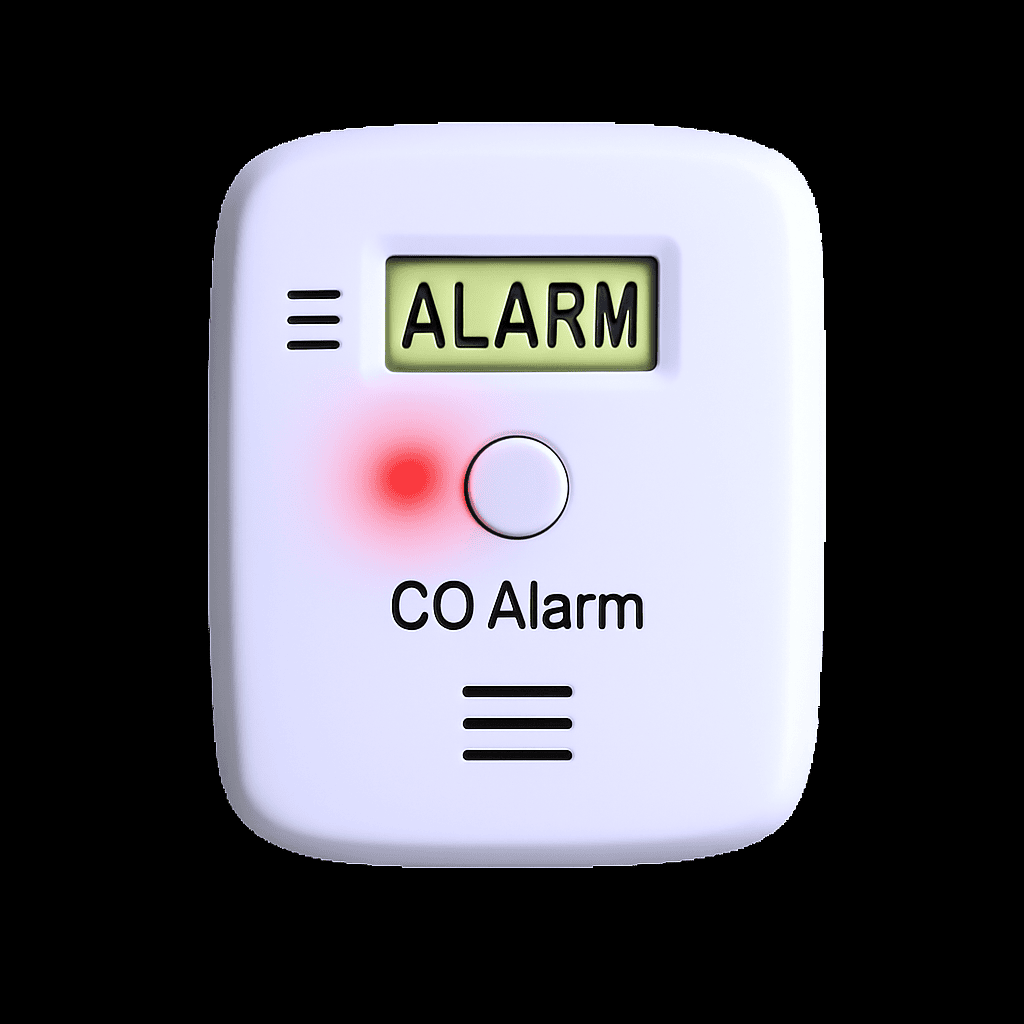
Carbon monoxide can only be reliably identified using a carbon monoxide alarm. These alarms monitor CO levels in the air and alert occupants before levels become dangerous.
Because carbon monoxide cannot be detected by smell or sight, alarms are essential for safety.
Symptoms to be aware of
Gas leaks may cause:
- Strong gas smells
- Headaches or dizziness
- Nausea
- Breathing discomfort
Carbon monoxide exposure may cause:
- Headaches
- Dizziness
- Nausea
- Fatigue
- Confusion
These symptoms can also be caused by other factors, so it is important to seek proper assessment.
What to do if you suspect a problem
If you smell gas or believe there may be a gas leak, contact the National Gas Emergency Service immediately on 0800 111 999 and follow their safety advice.
If you suspect carbon monoxide exposure, get fresh air immediately, leave the property, and seek medical advice if symptoms are present.
Once a gas leak has been confirmed and the supply has been turned off, the focus shifts to locating the fault and resolving the issue correctly.
Why understanding the difference matters
Confusing gas leaks with carbon monoxide can lead to the wrong response. Relying on the wrong type of alarm or misunderstanding the risk may delay action when it matters most.
Clear understanding helps ensure the right steps are taken at the right time.
Final thoughts
Gas leaks and carbon monoxide are both serious hazards, but they are not the same. Knowing how they differ, how they behave, and what signs to watch for helps homeowners respond appropriately and stay safe.
This guide forms part of the Helpful Guides section from The Leak Hunter, designed to explain important safety topics clearly and responsibly.
Once a leak has been made safe and confirmed, our Gas Leak Detection service focuses on tracing the source accurately and resolving the issue without unnecessary disruption.