

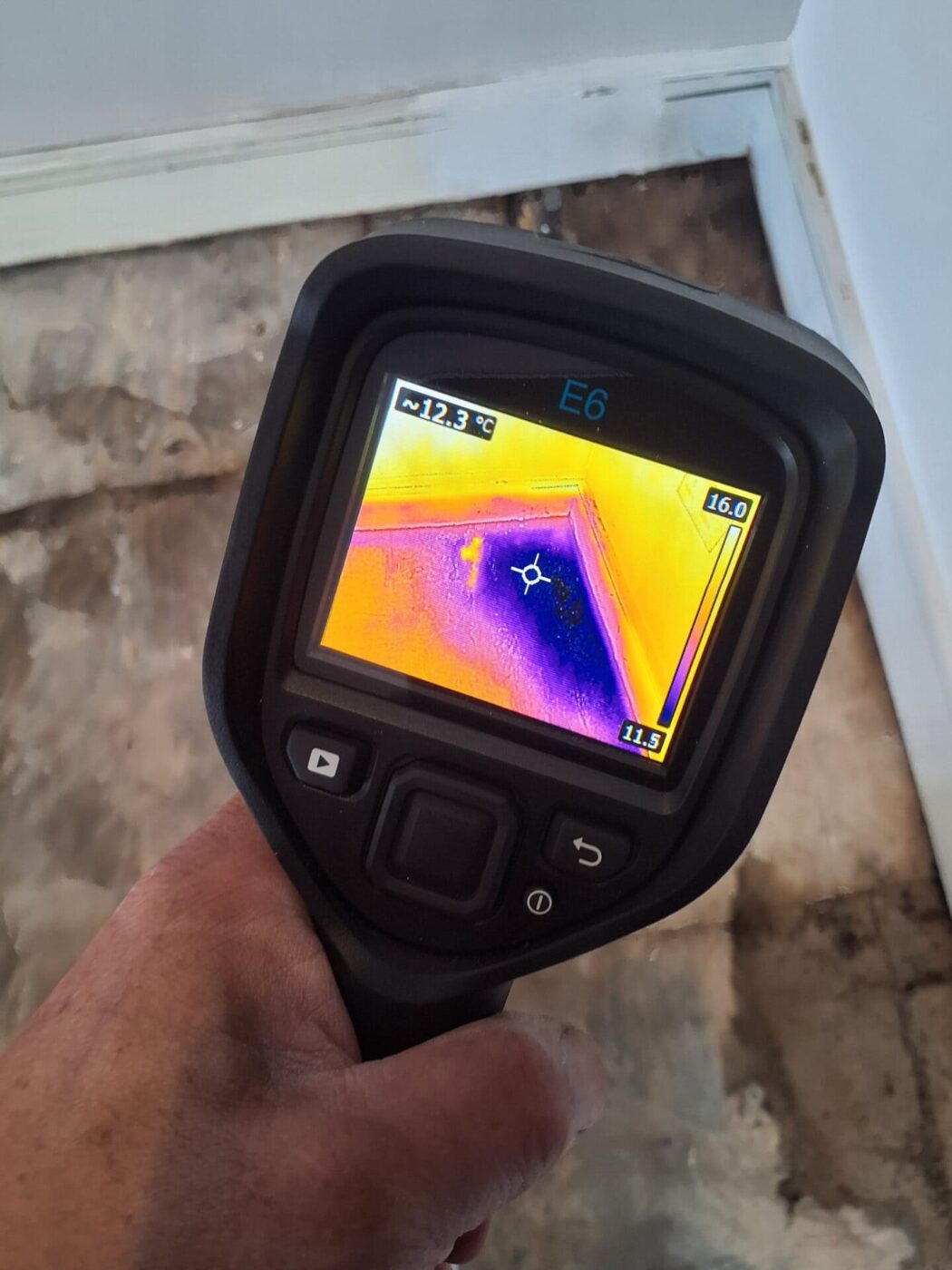
If you’ve been told you need trace and access work, one of the first questions is whether it’s covered by insurance or something you’ll need to pay for yourself.
The answer isn’t always straightforward. While many policies include elements of trace and access, the level of cover can vary depending on the situation, the cause of the leak, and the wording of your policy.
Why Coverage Isn’t Always Clear
Insurance policies often treat different parts of a leak separately. There is the detection stage, the access work, the repair, and any resulting damage. These are not always grouped together under one section of cover.
Even when leak detection confirms the location, insurers may assess whether the cost of accessing the pipe falls within your policy terms.
When Trace and Access Is Usually Covered
In many cases, trace and access is covered when the leak is hidden and could not have been identified without specialist detection.
This often applies to leaks beneath floors, inside walls, or underground, where the source is not visible and requires precise location before access can be carried out.
Insurers may cover the cost of opening up the area needed to reach the leak, particularly if it forms part of validating the claim.
When You Might Need to Pay Yourself
There are situations where trace and access may not be fully covered. This can happen if the policy excludes certain types of access work, places limits on claims, or separates access from repair.
Some policies will cover the damage caused by the leak, but not the work required to expose the pipe itself. Others may include trace and access but only up to a specific value.
You can read more about how this stage works on our trace and access leak detection explained page.
Why Insurers Often Require This Step
Before approving a claim, insurers need clear evidence of where the leak is and what work is required. Trace and access provides that certainty.
It allows the leak to be confirmed visually and ensures that any repair work is based on accurate information rather than assumptions.
What You Should Check in Your Policy
If you’re unsure about coverage, it’s worth reviewing your policy for:
Whether trace and access is included, any financial limits on this type of work, and how the insurer defines access versus repair.
If you’re going through a claim, our leak detection for insurance claims page explains what insurers typically require.
Why It’s Still Important to Proceed Correctly
Even if some or all of the work isn’t covered, trace and access is still the step that allows the leak to be properly repaired. Without it, the problem remains hidden and continues to cause damage.
Delaying this stage can often lead to higher costs later, as the affected area increases over time.
Clarity Helps You Move Forward
The uncertainty around insurance cover is one of the most frustrating parts of dealing with a leak. Understanding what is included and what isn’t helps you make informed decisions and avoid delays.
At The Leak Hunter, we guide homeowners through the full process, from accurate leak detection through to controlled trace and access, so you can move forward with confidence regardless of how your policy is structured.