

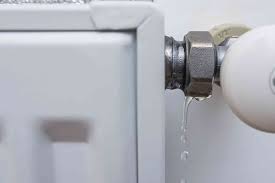
If your radiator has started leaking, it can feel urgent — especially if water is spreading quickly. While turning the heating off and containing the leak is important, a leaking radiator is often a sign of a wider issue within the heating system rather than just a single faulty component.
In many cases, radiator leaks are linked to pressure problems, corrosion, or hidden pipework issues that need proper investigation.

What a leaking radiator usually means
Radiators don’t typically fail without reason. A leak often develops because something within the system has changed over time.
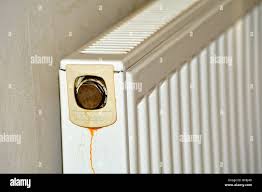
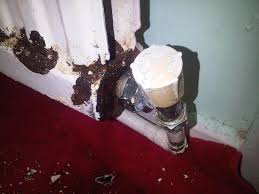
- Internal corrosion weakening the radiator
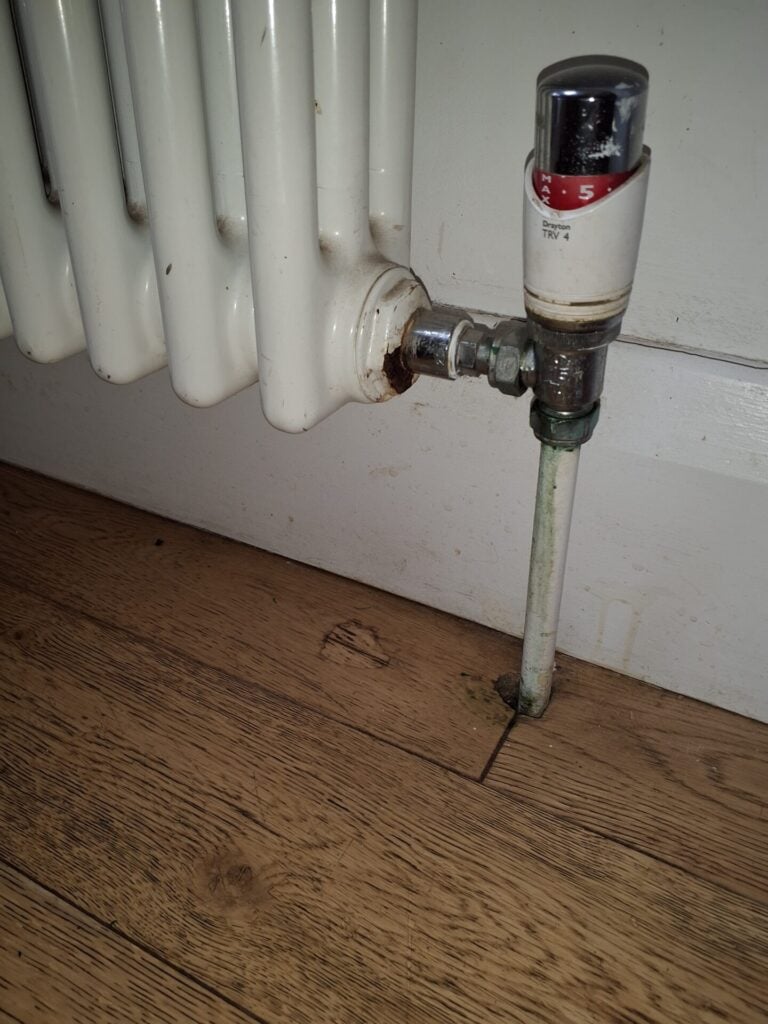
- Pressure issues stressing joints and valves
- Sludge build-up affecting circulation
- Hidden leaks elsewhere in the system
What looks like a simple leak can often be the visible symptom of a deeper problem.
Why leaks often appear suddenly
Many radiator leaks seem to happen “out of nowhere”, but in reality they’ve usually been developing slowly.
Weak points in the system can hold under normal conditions, then fail when pressure changes, heating cycles, or system adjustments expose them.
This is why leaks often appear after:
- Repressurising the system
- Bleeding radiators
- Temperature changes
When a radiator leak suggests a bigger issue
A one-off leak can sometimes be isolated, but repeated leaks or multiple problem areas often point to a system-wide issue.
You may be dealing with a wider problem if:
- Boiler pressure keeps dropping
- Radiators need frequent bleeding
- Leaks appear in different locations over time
- Heating performance has worsened
In these cases, focusing only on the radiator won’t solve the underlying cause.
Why temporary fixes don’t last
Tightening fittings or using sealants may slow the leak, but they rarely provide a long-term solution. If pressure or corrosion issues remain, the problem will usually return — often in a different part of the system.
This leads to repeated repairs, ongoing disruption, and increasing costs.
The takeaway
A leaking radiator isn’t just an isolated fault — it’s often a warning sign that something within your heating system needs attention. Acting quickly helps limit damage, but identifying the root cause is what prevents the issue from returning.
If you’re dealing with ongoing leaks or pressure issues, our central heating leak detection service can pinpoint the source accurately without unnecessary disruption. You can also read our Hidden Leak Detection guide to understand how concealed leaks are found.